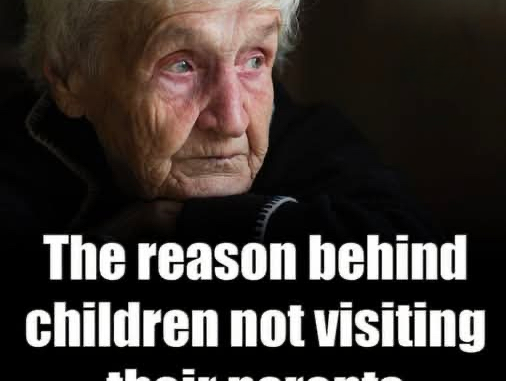
Family relationships are some of the deepest emotional connections we have, but they aren’t always simple to sustain. Many parents feel hurt or puzzled when their grown children rarely reach out, visit, or show interest in their lives. Although this distance can seem cold, it often stems from deeper, more complex causes.
In some cases, adult children withdraw because of unresolved conflicts, emotional neglect, or long-standing misunderstandings that were never properly addressed. Others create distance to protect their well-being or establish boundaries they didn’t feel able to set earlier in life. While the reasons differ—from generational gaps to past disagreements—the outcome is often similar: both sides experience sadness, guilt, and confusion.
This piece explores why some adult children choose space instead of closeness.
Shifting Family Dynamics
As people grow older, life becomes increasingly busy. Finishing school, building a career, forming relationships, and raising a family all demand time and energy. Even though these milestones are positive, they can unintentionally reduce the attention given to parents. Long work hours and daily responsibilities often leave little room for meaningful conversations or visits. When physical distance—such as moving to another city or country—is added, maintaining regular contact becomes even more challenging.
Research supports this reality: the farther apart people live, the less often they meet in person, which can gradually weaken their connection. Even when love remains strong, busy schedules and relocation often limit communication. What matters most, however, is not just how often people connect, but how meaningful those interactions are. Brief, routine check-ins don’t always create closeness; genuine presence and support do.
Growing apart from parents usually happens slowly, shaped by the practical demands of adulthood. Still, small efforts—like regular calls, thoughtful messages, or occasional visits—can help preserve the bond and prevent emotional distance from growing.
Unresolved Conflicts
Old emotional wounds and unresolved disagreements often play a major role in distancing parents and children. Whether it’s a major argument or years of built-up tension, these issues can make visits feel uncomfortable or even something to avoid. Emotional distance can be more significant than physical distance; even families living close by may feel worlds apart if resentment remains unaddressed.
Facing these issues is difficult and requires patience, courage, and openness. However, honest and respectful conversations are often the only way to rebuild trust and create a healthier relationship.
Communication Gaps and Unclear Expectations
Sometimes distance arises from simple misunderstandings or a lack of clear communication. Parents may assume their children know they’re always welcome, while children may feel unsure about how often they should call or visit. When these expectations aren’t expressed, both sides can misinterpret each other’s intentions—what one sees as giving space, the other may see as indifference.
Studies suggest that small, consistent interactions—like short texts or quick calls—are key to maintaining closeness. Families that regularly check in tend to feel more supported, while those who leave expectations unclear often drift apart without realizing it.
Lack of Emotional Support
Children who grow up feeling that their emotions were ignored or dismissed may carry those experiences into adulthood. This can make it difficult for them to form close, trusting relationships, including with their parents. As a result, they may keep their distance—not to hurt their parents, but to protect themselves emotionally.
Psychological research shows that early emotional experiences shape how people connect later in life. When those needs aren’t met, relationships can lack warmth and may carry underlying resentment. Rebuilding trust requires both sides to reflect on the past and create a space where feelings are acknowledged and respected.
Parental Narcissism
When a parent consistently prioritizes their own needs over their child’s, it can make a healthy relationship difficult to maintain. Children of such parents may feel unheard or invisible, leading them to distance themselves as adults in order to preserve their emotional well-being.
A lack of empathy during childhood can have lasting effects, making it hard for individuals to feel safe being emotionally close to others. In these situations, blame often falls on the child for pulling away, but this can further damage the relationship. Open, non-judgmental conversations can help uncover the reasons behind the distance and create an opportunity for healing.
Conclusion
Distance between parents and children rarely comes from a single event. More often, it develops gradually through life changes, miscommunication, and unresolved emotions. What may appear as indifference is usually rooted in deeper, unspoken issues.
The encouraging part is that these relationships can improve. With effort from both sides, even small gestures—like a thoughtful message or an honest conversation—can begin to rebuild connection and bring families closer again.
Leave a Reply