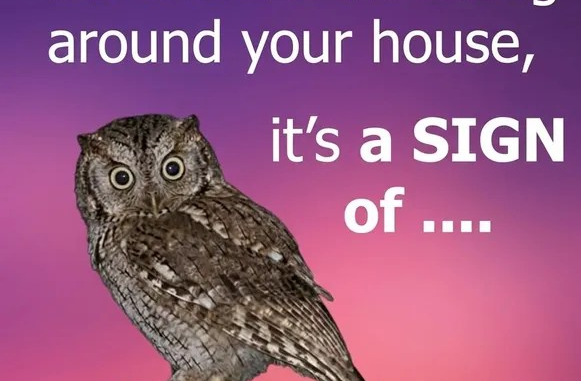
On still nights, when the world seems to pause and the air hangs heavy, owls glide through the darkness with effortless grace. These nocturnal birds, members of the Strigiformes order, have long fascinated humans. Their flight is nearly silent, thanks to specialized feathers that muffle sound as they move. Often, one senses an owl before seeing it—a shadow overhead, a soft rustle, or a distant, haunting call. This quiet elegance has earned them a mysterious aura, inspiring myths and admiration across cultures.
Biologically, owls are exceptional hunters. Their large, forward-facing eyes maximize light intake, giving them sharp vision even in near-darkness. Many species also have asymmetrically placed ears that detect the faintest sounds, allowing them to pinpoint prey hidden under leaves, grass, or snow. Their diet usually consists of small mammals, insects, and occasionally other birds. Owls’ adaptability enables them to thrive in diverse habitats—from dense forests and open fields to urban landscapes.
Owls also hold a rich place in human imagination. They are often symbols of wisdom, awareness, or reflection. In ancient Greece, owls were associated with intelligence and learning, while in other cultures, they are linked to change or quiet vigilance. Whether regarded as mystical guardians of the night or simply admired for their natural elegance, owls spark curiosity and wonder in all who encounter them.
Despite the symbolism, an owl’s behavior is ultimately rooted in survival. Their feather patterns camouflage them during daylight, allowing for undisturbed rest, while at night, they rely on keen senses to navigate and hunt. Seen briefly on a branch or heard calling in the distance, owls remind us of nature’s subtle complexity—where beauty, function, and mystery coexist in harmony.
Leave a Reply