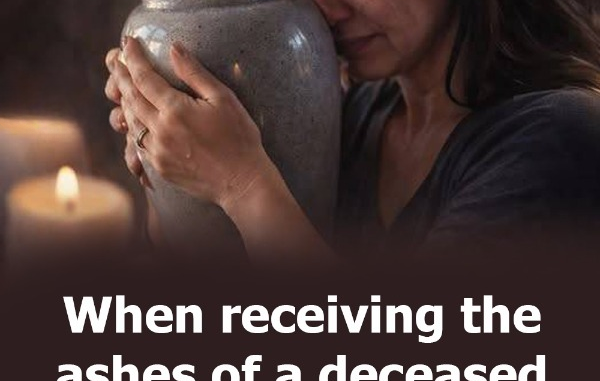
For some families, keeping a loved one’s ashes at home provides comfort and a sense of continued connection. For others, it can feel spiritually uncomfortable or even inappropriate. Across different cultures, beliefs about cremated remains are shaped by religion, tradition, and how each society understands death itself. What feels like an act of love in one place may be seen elsewhere as interfering with a soul’s journey.
With cremation becoming more common worldwide, many people now wonder whether it is truly acceptable to keep ashes at home. The answer varies widely depending on cultural background and beliefs about what happens after death.
Western perspectives: memory and personal choice
In many Western countries, especially the United States and parts of Europe, keeping ashes at home is widely accepted. Families often place urns in living spaces, sometimes alongside photos or candles as personal memorials.
For many, the urn symbolizes ongoing emotional closeness. It can feel painful to let go completely, and having ashes nearby offers a sense of presence. Some people speak to them, especially during significant moments or holidays.
Modern Western attitudes also tend to prioritize personal preference over strict tradition. Ashes may be shared among relatives, turned into keepsake jewelry, or incorporated into memorial objects.
However, even within families, opinions can differ—some find comfort in keeping ashes close, while others believe they should be buried or scattered to allow proper rest.
Catholic views: respect with boundaries
The Catholic Church permits cremation but traditionally prefers burial, emphasizing respect for the body and belief in resurrection. While keeping ashes at home is not condemned, it is generally discouraged.
Church guidance recommends placing ashes in sacred locations such as cemeteries or columbariums. The concern is not superstition, but ensuring remains are treated with lasting reverence.
Catholic teaching also discourages scattering ashes or dividing them, as it is believed the body should remain whole in its resting place.
For many devout families, keeping ashes at home may feel emotionally or spiritually incomplete.
Buddhist perspectives: impermanence and detachment
Buddhist traditions vary, but cremation is widely practiced. Some families keep ashes temporarily during mourning rituals before placing them in temples or memorial sites.
Buddhism emphasizes impermanence and warns against excessive attachment. Some teachings suggest that holding onto ashes too strongly may prolong emotional suffering.
Still, many Buddhist families balance remembrance with acceptance, focusing on prayers, compassion, and peace rather than physical remains.
Hindu traditions: returning to nature
In Hindu belief, cremation is part of the soul’s transition. Ashes are typically not kept long-term at home.
They are often scattered in sacred rivers, especially the Ganges, symbolizing purification and release. Holding onto ashes too long is sometimes seen as delaying the soul’s journey.
The focus is on letting go and allowing spiritual continuation rather than preservation of remains.
Chinese traditions: ancestors and balance
In traditional Chinese culture, ancestral respect plays a major role in funeral practices. Some families temporarily keep ashes before placing them in graves or memorial temples.
Feng shui beliefs sometimes influence decisions about where ashes are stored, as improper placement is thought to affect household harmony or emotional balance.
As a result, many families prefer dedicated memorial spaces rather than keeping urns in everyday living areas.
Mexican traditions: ongoing connection
In Mexican culture, especially during Día de los Muertos, death is viewed with openness and familiarity. Families honor loved ones with altars, photos, and offerings.
While ashes are not always kept at home, maintaining a continuing relationship with the deceased is common and culturally meaningful. Loved ones are seen as still part of the family in a spiritual sense.
Indigenous and spiritual beliefs
Many Indigenous traditions around the world hold diverse views on ashes and burial. In some, remains are believed to require specific rituals or release ceremonies. In others, ashes are considered sacred and must be handled with care and respect for nature and spirit.
Why the question remains important
As cremation becomes more common globally, personal and cultural boundaries around grief are changing. People are increasingly creating their own ways of remembering loved ones outside traditional rules.
Some keep ashes for emotional comfort, while others scatter them quickly to cope with loss. There is no universal approach—only deeply personal ones.
The deeper meaning
Ultimately, the question of keeping ashes at home is less about physical remains and more about how people process grief, memory, and love.
Every culture offers a different way of answering the same difficult truth: how do we honor someone who was once an important part of our lives?
Whether through release, remembrance, ritual, or continuity, most traditions share one core belief—those who have passed deserve respect, dignity, and love, in whatever form that takes.
Leave a Reply