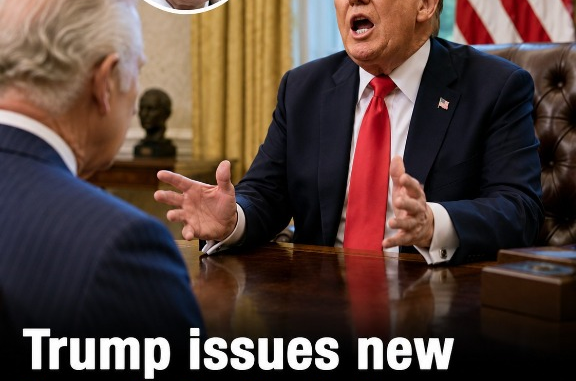
During a recent White House state visit, a brief exchange involving Donald Trump and King Charles III attracted public attention after remarks were made that touched on international policy issues. The moment gained traction not only because of what was said, but also due to its connection with established diplomatic expectations between governments and institutions.
The British monarchy is traditionally bound by strict political neutrality, meaning the monarch does not publicly endorse policies or take sides on political matters. This role is a key part of the UK’s constitutional framework. Because of this, any implication that the King may have expressed approval of specific geopolitical positions is typically clarified to prevent misunderstanding.
Following the incident, Buckingham Palace issued a carefully worded statement stressing that any views attributed to the King were aligned with the official position of the UK government rather than personal opinion. This approach is consistent with the monarchy’s long-standing practice of measured, non-political communication aimed at preserving diplomatic balance.
Separately, parts of the visit also focused on economic topics, including trade relations and tariffs. Discussions reportedly included industries such as whisky, framed in a generally cooperative tone. These types of conversations are a standard aspect of international diplomacy and are usually considered less politically sensitive.
Trade between the United States and the United Kingdom spans major sectors like agriculture, manufacturing, and spirits, and changes in tariffs or agreements can have broad economic effects over time, influencing prices and supply chains.
Overall, the situation reflects how modern diplomacy operates through a mix of formal statements, symbolic interactions, and media interpretation. While the monarchy maintains neutrality and restraint, elected officials often speak more directly, meaning even brief comments can take on broader significance in the global context.
Leave a Reply