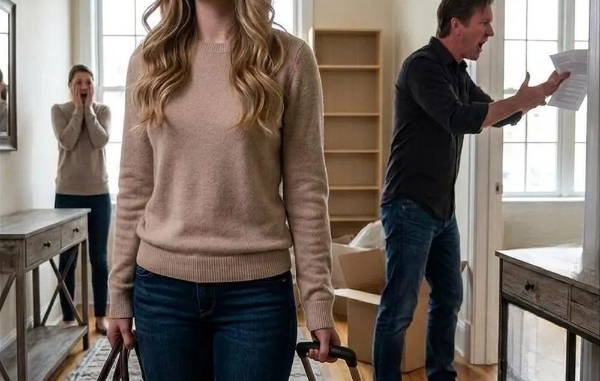
The moment he said it, something in me changed. We were at a busy bar when Caleb casually gave our waitress his number right in front of me, smiling like it meant nothing. The check was still in her hand when I asked him quietly, “Then why are you living like you’re in a relationship with me?” He leaned back, laughing, completely unbothered. “We’re not married—you don’t own me,” he said, as if it settled everything. Then he added, “We live together, we’re dating, but you don’t get to act like my wife.” His words didn’t shock me so much as confirm what I’d been avoiding for a long time.
For three years, I had built a shared life with him. We split rent, routines, and responsibilities. I supported his family events, stood by him through medical visits, helped with bills when he struggled, and maintained a home that functioned like a partnership in every real sense. Somewhere along the way, I had given my effort freely while accepting that respect wasn’t guaranteed in return. Standing there in that loud bar, surrounded by people pretending not to listen, I finally saw the situation clearly: I was investing in someone who enjoyed being cared for more than caring back. I picked up my bag, said a calm goodbye to his friends, and left. He didn’t come after me. He didn’t even reach out that night.
By the time I got home, the rain had soaked through my coat, but my thoughts felt sharper than they had in years. I wasn’t crying or angry—I was finished. By midnight, I was already packing up the apartment we had shared. Each folded piece of clothing and boxed memory made his words echo again: We’re not married—you don’t own me. By morning, most of the place was empty. I left behind my key on the counter with a simple note: You’re right. I don’t. Then I walked away before he returned.
By midday, my phone was overflowing with messages—confusion, then frustration, then panic. “Where are you?” “Did you really leave?” “Call me back.” I didn’t respond. When my cousin Nora looked at the messages, she said something that made it clear: “He’s not surprised you’re gone—he’s surprised you meant it.” Later, when Caleb showed up, exhausted and unsettled, he admitted, “I didn’t think you’d actually leave.” I looked at him and simply said, “I know.”
There was no satisfaction in it, only calm. Because the issue was never ownership—it was respect. And when someone consistently withholds that, the clearest answer is to stop staying and choose yourself instead.
Leave a Reply