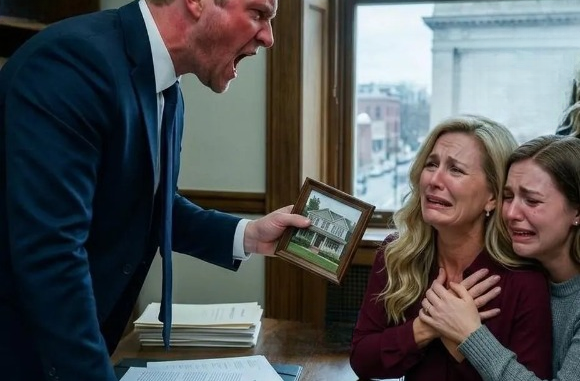
My family always mistook control for authority—especially my mother. So when I arrived at my newly bought lakeside cottage for a quiet weekend and saw her pulling into the driveway with my sister, a county assessor, and a deputy behind them, I immediately knew this wasn’t a casual visit. My mother stepped out with the same expression she used whenever she expected unquestioned compliance and declared that the cottage was actually intended for my younger sister, Paige, insisting there had been a “mix-up.” Paige stood quietly behind her, already prepared to act wronged if needed. But the facts were clear: I had legally purchased the property, the deed was in my name, and no one else had any claim to it.
When I calmly stated that the home belonged to me, my mother quickly changed her approach, shifting from “ownership” to emotion. She argued that Paige had children and suggested I should give up the cottage because I was “alone.” It was the same pattern I had seen my whole life—Paige favored, my mother casting herself as the concerned parent, and me painted as selfish for refusing to hand over what they decided should be hers. Paige then spoke up, saying she had always wanted a cottage near the family lodge, as if desire equaled entitlement. Then she added, almost carelessly, “Mom said you wouldn’t fight,” which immediately made the assessor realize he had been brought under false assumptions.
At that moment, my attorney stepped onto the porch. She introduced herself and clearly explained that the property was purchased through my company, fully documented, with a clean title and no dispute whatsoever. She then informed the deputy that my family appeared to have used public officials in an attempt to pressure me into surrendering private property. I then made it clear that I had already anticipated something like this—security cameras were recording, I had messages indicating they planned to “bring county people,” and I had arranged for legal and official support in advance. The deputy’s stance changed instantly, and the sense of authority my mother and sister had arrived with disappeared.
What followed wasn’t chaos or confrontation, but silence. The assessor apologized for being misled. The deputy warned that any further attempts to misrepresent ownership or apply pressure could lead to consequences. My mother tried one last emotional appeal, accusing me of shaming the family, but I simply told her she had managed that on her own. Then they left—frustrated, embarrassed, and without leverage.
That evening, sitting alone on the porch overlooking the lake, I realized something I should have understood long ago: people who depend on your silence will always call your boundaries cruel. But peace begins the moment you stop confusing pressure with obligation—and finally protect what is rightfully yours.
Leave a Reply