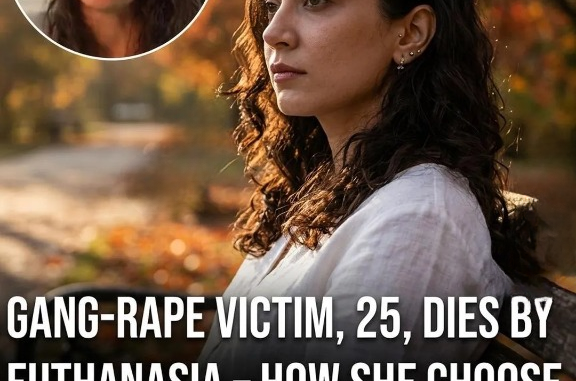
The story of Noelia Castillo Ramos has captured attention both in Spain and internationally, prompting discussions about healthcare, personal autonomy, and the difficulties faced by people living with chronic conditions. The 25-year-old from Barcelona endured years of emotional and physical challenges, which ultimately influenced the decision she made at the end of her life. Her case has been widely examined not only because of how it concluded, but also due to the complex factors surrounding her experiences and the broader issues it highlights.
From an early age, Noelia dealt with serious personal hardships. According to reports, she faced ongoing health issues and received professional care during her teenage years. As time went on, further challenges affected her well-being, including incidents that had a lasting impact on her life. A major accident later reduced her mobility, adding another layer of difficulty to her daily routine. Over time, she was said to live with continuous pain and emotional distress, shaping her outlook on the future and the choices she believed were available to her.
Her request for euthanasia became the focus of a prolonged legal process that lasted several months. The case underwent multiple evaluations by medical experts and legal authorities to ensure compliance with established laws and procedures. During this time, differing views emerged within her family, illustrating how deeply personal and sensitive such decisions can be. Despite these disagreements, the case proceeded through official channels, emphasizing the delicate balance between individual rights and broader ethical and legal considerations.
In her final days, Noelia sought peace and tranquility, finding comfort in small but meaningful moments. Her story has since contributed to a broader conversation about how societies handle serious illness, long-term care, and personal choice. While perspectives on her case remain varied, many agree it highlights the importance of empathy, understanding, and support for those facing difficult circumstances. Ultimately, her experience serves as a reminder of the need for thoughtful discussions about care, dignity, and how communities respond to people in need.
Leave a Reply