I couldn’t take my eyes off the invoice lying next to my morning coffee. My daughter-in-law, Melissa, had invited me to spend a week with her family, saying my grandchildren—six-year-old Emma and four-year-old Thomas—had been asking for Grandma. I happily drove four hours to their home in Ohio with jars of homemade strawberry jam, hand-sewn quilts, and little presents I’d collected throughout the year. At 68, nothing meant more to me than spending time with my grandchildren, and I was thankful for the invitation. But by the fourth day, it became painfully clear that Melissa had expected far more from my visit than simply enjoying family time.
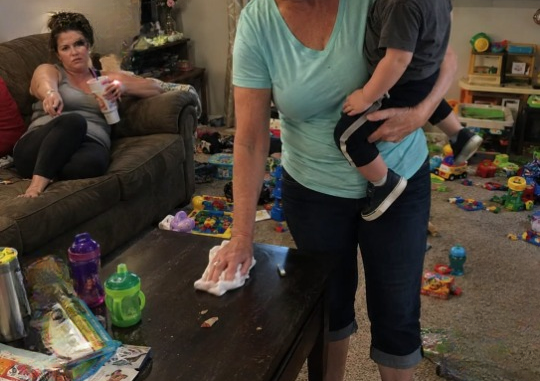
Instead of relaxing with the children, I found myself taking over the household. I cooked every evening meal, packed lunches, scrubbed bathrooms, organized closets, and watched Emma and Thomas while Melissa spent much of her day scrolling through her phone. Then came the shock. She calmly slid a neatly printed invoice across the table, listing charges for the guest room, meals, utilities, and household expenses. The grand total came to $2,000, and she matter-of-factly told me she expected to be paid before I headed home. I stared at the bill for a moment, then quietly decided it was time to make a few calls she never saw coming.
That evening, I phoned my son, Jason, and told him everything. He was stunned that his wife had actually billed me for a visit she’d personally invited me to make. I also called my longtime friend Dorothy, who had years of experience with bookkeeping, and asked for a little help. By the following morning, I had my own itemized statement ready. It listed childcare, housekeeping, cooking, grocery shopping, and meal preparation, adding up to $3,212. I never intended to collect a penny—I simply wanted Melissa to recognize the value of everything I’d done for her family. When Jason came home from work, he backed me completely, reminding Melissa that family isn’t something you invoice like a business. The disagreement even prompted them to take a closer look at how they divided responsibilities at home, along with reviewing their finances, insurance, mortgage, and long-term plans. Later, they even met with their attorney to update important estate documents so their future decisions reflected the values they wanted their family to have.
After reading my statement, Melissa fell silent. For the first time all week, she seemed to understand why I was hurt. I explained that I had never expected to be paid for caring for my family. I cooked, cleaned, and looked after Emma and Thomas because I loved them, not because I wanted anything in return. What hurt wasn’t the work—it was being treated like a paying guest instead of a grandmother who had come to help. Gradually, things changed. Melissa became more organized, Jason took a bigger role at home, and together they created a healthier routine for the children. A few months later, they came to visit me, and we spent the weekend making strawberry jam, laughing together, and enjoying each other’s company instead of keeping score. The invoice was eventually forgotten, but the lesson remained: families grow stronger through love, respect, and helping one another—not by putting a price tag on kindness.
Leave a Reply