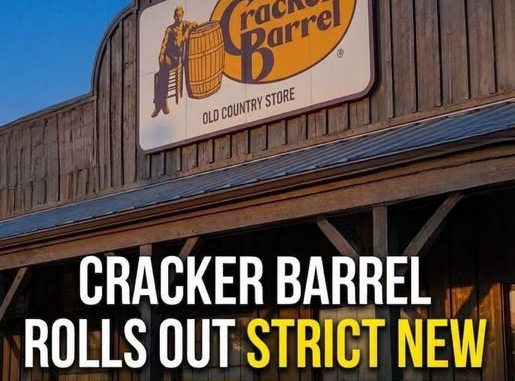
Cracker Barrel Struggles to Modernize While Preserving the Traditions That Made It Beloved
A Roadside Restaurant Built on Familiar Comfort
For many travelers, Cracker Barrel has always represented more than a simple place to eat. Its signature front porch, rocking chairs, old-fashioned country store, and classic comfort meals transformed a roadside stop into a familiar American experience.
Customers often visited not only for breakfast, lunch, or dinner, but for the feeling the restaurant created — a sense of warmth, family, and nostalgia. Even far from home, guests could walk through the doors and find an atmosphere that felt familiar and comforting.
That emotional connection became one of the company’s strongest advantages. A stop at Cracker Barrel offered travelers a sense of reliability during long trips, where the surroundings felt recognizable no matter which location they visited.
However, preserving that feeling has become increasingly challenging as the company attempts to adapt to modern expectations. Recent changes involving branding, restaurant designs, internal policies, and employee guidelines have raised concerns among longtime customers about whether the company can evolve without losing the identity that made it special.
Small Changes Create Major Reactions
Cracker Barrel’s transformation has not happened through one major overhaul. Instead, the company has introduced a series of smaller updates designed to refresh the brand while keeping its traditional appeal.
Changes to logos, restaurant layouts, and company practices may seem insignificant individually. But for a brand built around memories and familiarity, even small adjustments can create a noticeable emotional reaction.
A new interior style, a cleaner design approach, or a more modern image may be viewed by some customers as an attempt to remove the very details that made Cracker Barrel unique.
This creates a difficult balancing act for leadership. Refusing to change can make a company appear outdated, but changing too much too quickly risks upsetting the loyal customers who helped build the brand.
Cracker Barrel’s challenge is finding a way to modernize while protecting the elements that make guests feel connected to the experience.
Modern Interiors Spark Mixed Feelings
One of the biggest examples of this tension has been the introduction of updated restaurant interiors. For years, visitors associated Cracker Barrel locations with traditional decorations, vintage items, wooden furniture, and a country-style atmosphere.
When some restaurants introduced more modern design elements, certain guests felt that the changes removed some of the warmth and personality they had come to expect.
What the company may have viewed as a simple renovation was interpreted by some customers as a loss of character.
For many visitors, the decorations and layout were not just decorative choices. They represented memories — family road trips, vacation stops, shared meals, and moments spent together.
Because of that emotional connection, changing the physical environment can feel much more personal than a typical restaurant update.
A modern appearance may improve functionality, but if too many familiar elements disappear, guests may feel that the experience itself has changed.
Responding to Customer Feedback
Cracker Barrel’s willingness to reconsider certain updates demonstrated that the company understood the importance of customer emotions.
The reaction from longtime visitors was not simply about refusing change. It reflected the fact that the atmosphere is a major part of what customers value.
The food may attract guests, but the environment creates the memories that encourage them to return.
By listening to feedback and restoring certain familiar features, the company showed that modernization does not have to mean completely abandoning tradition.
Refreshing a historic brand requires understanding which elements can evolve and which ones must remain untouched because they represent the heart of the experience.
A Logo Represents More Than a Design
A company logo may appear to be a simple visual symbol, but for a tradition-focused brand, it can carry significant emotional meaning.
Customers see a logo on restaurant signs, menus, products, and advertisements. Over time, it becomes connected with personal memories and experiences.
A more modern logo may be intended to create a cleaner and updated image, but some loyal customers may interpret it as a sign that the company is moving away from its roots.
The concern is often not about the design itself, but what the change represents.
For a brand built on familiarity, recognizable symbols provide comfort. Customers often want to see the same visual identity they have associated with family meals and road trips for years.
Cracker Barrel’s experience highlights that branding is not only about appearance — it can also represent trust, history, and emotional connection.
Employee Policies Create Additional Discussion
The company’s efforts to maintain its identity have also extended beyond customers and restaurants. Discussions surrounding employee travel and dining expectations raised questions about how strongly workers should be expected to represent the brand outside of work.
Clarifications that employees were not required to dine at Cracker Barrel helped address concerns about how those expectations should be understood.
The situation highlighted an important distinction between encouraging employees to feel connected to a company and creating obligations that extend too far into their personal choices.
Clear communication is essential in situations like these. Employees need to understand whether a guideline is a recommendation or a requirement.
For a company built around hospitality and personal connection, maintaining employee trust is just as important as maintaining customer loyalty.
The Challenge of Updating a Nostalgia-Based Brand
Every long-established company eventually faces pressure to adapt. Consumer habits change, competition increases, and businesses must evolve to remain successful.
Cracker Barrel faces a unique challenge because its appeal comes partly from offering an escape from modern trends. Guests visit expecting a slower, more traditional environment.
The company must therefore introduce improvements carefully, ensuring that necessary updates do not damage the feeling of familiarity that defines the brand.
This does not mean Cracker Barrel can remain unchanged forever. Restaurants require improvements, policies need adjustments, and designs must occasionally be refreshed.
The real challenge is deciding how to move forward while preserving the qualities that make the company different from other dining options.
Nostalgia Is Part of the Experience
Cracker Barrel’s product has never been only the food. The experience includes sitting on the porch, browsing the country store, seeing familiar decorations, and enjoying a setting that feels connected to another time.
These emotional elements are difficult to measure, but they strongly influence customer loyalty.
Nostalgia creates a sense of stability. Travelers may be surrounded by unfamiliar places during a long journey, but Cracker Barrel offers something recognizable.
That consistency builds trust.
When changes appear to threaten that familiarity, customers often react strongly because they feel a personal connection to the brand.
The company is not simply changing a restaurant — it is changing a place that many people have included in their own memories.
Listening Is Key During Change
Customer reactions provide valuable insight when a company with a long history attempts to reinvent itself.
Resistance does not always mean every change should be rejected, but it can reveal which traditions matter most.
Cracker Barrel’s willingness to adjust certain decisions suggests that leadership understands the importance of preserving customer relationships.
The company must continue determining which updates improve the business and which ones risk damaging the emotional connection customers have built over decades.
Successful change will likely depend on maintaining the balance between improvement and preservation.
Employees Help Define the Brand
The people working inside Cracker Barrel locations play an important role in creating the atmosphere guests expect.
Friendly service, knowledge of the brand, and genuine hospitality all contribute to whether customers feel welcomed.
Encouraging employees to support the company can strengthen the experience, but that connection should come from workplace culture rather than strict expectations about personal behavior.
Clear policies help employees understand their responsibilities while still respecting their independence.
A company centered around warmth and hospitality must also ensure that its own employees feel respected and trusted.
Moving Forward Without Losing Its Identity
Cracker Barrel’s future depends on its ability to adapt without abandoning the traditions that made it successful.
Too little change could prevent the company from keeping pace with modern expectations. Too much change could remove the qualities that separate it from competitors.
The best path lies somewhere in between.
The company can update its operations, improve its restaurants, and refine its image while preserving the familiar elements customers value most.
Its response to criticism shows an understanding that modernization must have limits.
The relationship between Cracker Barrel and its customers was built over many years through shared experiences. Protecting that relationship requires more than maintaining a menu — it requires preserving the feeling behind every visit.
The Familiar Feeling That Keeps Customers Returning
For many people, Cracker Barrel represents a specific emotion: a break from a long drive, a comfortable meal, and a place that feels welcoming and familiar.
Recent changes have tested how much the brand can evolve before customers feel disconnected.
The company’s challenge is not simply about logos, decorations, or policies. It is about protecting the promise that has defined Cracker Barrel for generations.
Customers may accept change, but they want reassurance that the heart of the experience will remain.
Ultimately, the future of Cracker Barrel depends on whether it can improve while still delivering the feeling that has always made it special — the feeling of arriving somewhere familiar after a long journey, sitting down, and feeling a little closer to home.
Leave a Reply