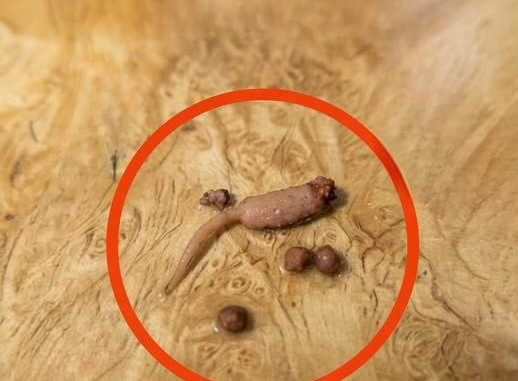
The ground beef was sizzling in the pan when I spotted it—a pale, twisted strand tucked among the meat. My heart immediately sank. My mind raced to thoughts of parasites, contamination, and the possibility that I had nearly served something unsafe to my family.
Cooking dinner had always felt routine, relying on the assumption that store-bought food was safe. In an instant, that confidence disappeared, replaced by anxiety and disgust.
Every worst-case scenario rushed through my head. Was it a worm? Was the meat contaminated? I seriously considered throwing the entire meal away because I couldn’t make sense of what I was seeing.
After calming down, I took a closer look. The strange object wasn’t moving. It had no segments or features that suggested it was a living creature—just a pale, rubbery strand with an unusual shape.
The more I examined it, the more I realized it was most likely a piece of connective tissue, such as sinew or tendon. During the grinding process, these tougher tissues can stretch into thin strands and curl up once they’re exposed to heat.
It’s easy to forget that ground meat isn’t made up of muscle alone. It naturally contains fat and connective tissue, both of which can appear surprising or even alarming when cooked.
Although the discovery was unpleasant, it wasn’t necessarily a sign that the meat was unsafe. Knowing how to tell the difference between normal connective tissue and genuine signs of spoilage can prevent unnecessary panic.
In the end, I decided not to eat that meal. But the experience taught me an important lesson: sometimes food can look strange without actually being dangerous. A closer look—and a little understanding—can turn fear into reassurance.
Leave a Reply