Four weeks before my wedding, my father called and told me to delay the ceremony because my sister’s engagement party had been scheduled for the same time. He spoke as if moving a $50,000 event that had taken 347 days to organize was as simple as changing a dinner reservation.
“If you don’t postpone it, don’t expect anyone from the family to show up,” he warned.
I stood in my kitchen surrounded by seating charts, vendor agreements, and ivory invitations—all paid for with my own money—and felt something inside me finally become still.
“I understand,” I said.
Then I ended the call.
Across the room, my fiancé, Daniel Whitmore, looked at me carefully.
“What happened?”
For years, my parents had treated Megan’s life events like family emergencies while mine were barely noticed. They missed my college graduation because Megan was dealing with a breakup. They ignored my professional achievements. They offered no financial help for my wedding.
But now they expected me to move everything aside because Megan’s fiancé had found a last-minute opening at the Grand Sterling Country Club on my wedding weekend.
Their messages came immediately.
They called me selfish.
They said I was being dramatic.
They told me I could always marry Daniel at a courthouse instead.
Then they threatened to remove their “support”—support they had never actually provided.
I stared at my phone, unsure whether to feel angry or relieved.
Daniel calmly picked it up and typed one message in the family group chat:
“Before you criticize our wedding again, you might want to understand what my last name represents.”
The conversation stopped instantly.
Within minutes, my mother began calling repeatedly.
The reason was simple.
Daniel had never made a big announcement about his family’s wealth or connections. He had never used his last name to impress anyone.
But the truth was that the Whitmore family owned Whitmore Enterprises, a multibillion-dollar real estate and hospitality company. The Grand Sterling Country Club—the venue my parents were trying to prioritize over my wedding—was part of their business network.
The situation became even more complicated when we learned that Megan’s future father-in-law’s struggling law firm was trying to secure a major contract with Whitmore Enterprises.
Apparently, after seeing the messages, he searched Daniel’s name and realized exactly who my fiancé was.
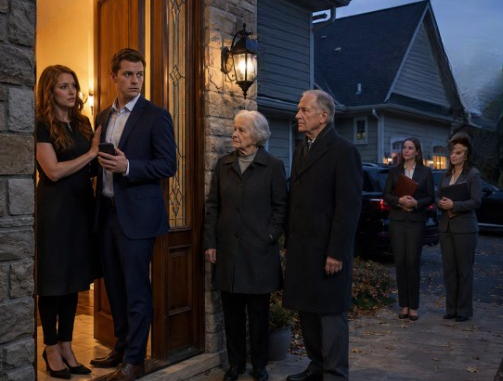
That evening, my parents and Megan showed up at our door.
They weren’t angry anymore.
They were desperate.
Megan admitted the country club had stopped responding to her calls, and her engagement celebration was falling apart. She demanded that I contact Daniel’s family and explain that their comments had only been a misunderstanding.
But for the first time in my life, I refused to fix a problem they had created.
I told Megan that she was finally receiving the attention she had always wanted.
Then Daniel closed the door.
Her engagement party was canceled. Her fiancé eventually ended the relationship, and my father’s later legal attempt against us failed after Whitmore’s attorneys presented the written agreements, saved messages, and documented evidence.
Meanwhile, Daniel and I had the wedding we always wanted.
We celebrated in a beautiful ballroom surrounded by people who truly cared about us. His family welcomed me with kindness and without conditions, and I eventually built my own successful design practice.
A year later, my mother left me a voicemail asking to reconnect at a Whitmore gala.
Not because she wanted to apologize.
Because she wanted to restore the family’s reputation.
I deleted the message.
For years, my family had taught me that my place was always behind someone else.
Walking away taught me something different.
Protecting my peace was not selfish.
It was the first step toward creating a life that finally belonged to me.
Leave a Reply