My Future Mother-in-Law Expected My Mom to Pay for Her Expensive Dinner — But Her Own Plan Ended Up Exposing Her
My mother called me from a high-end restaurant downtown, her voice shaking as she tried not to cry. Sitting in front of her was a $1,700 bill she had never agreed to pay.
I had been too ill to attend the first official meeting between our families, so my mother went in my place. She dressed carefully, brought a small gift for my future mother-in-law, Clarissa, and arrived hoping to create a good relationship with the woman who would soon become part of our family.
But Clarissa didn’t come alone.
She showed up with her sisters, Beatrice and Evelyn.
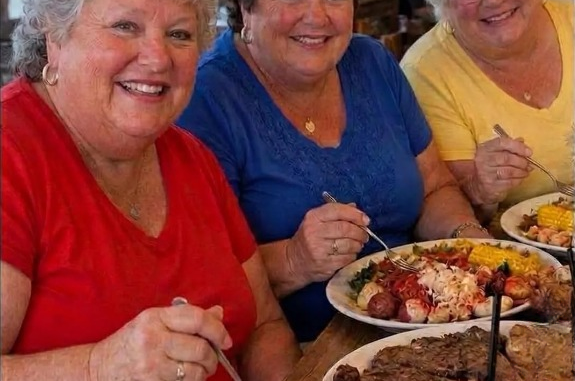
The three women ordered the most expensive items on the menu—premium steaks, seafood dishes, desserts, and specialty drinks—while my mother quietly ordered a simple salad.
When the check arrived, Clarissa slid it across the table and casually announced that it was a tradition for the bride’s mother to pay for the first family dinner.
My mother was confused. She explained that she had never heard of such a tradition and that she was not prepared to cover such an expensive bill.
Instead of offering to help, Clarissa picked up her purse, gathered her sisters, and walked out.
Despite still having a fever, I drove to the restaurant as soon as I heard what happened. I found my mother sitting there alone, embarrassed and hurt, even though she had done nothing wrong.
I paid the bill, thanked the waiter for his patience, and brought my mother home.
For years, Clarissa and her sisters had benefited from my family’s generosity. They came to every holiday gathering and celebration we hosted, rarely brought anything with them, enjoyed multiple servings, and often left with containers of leftovers.
I had ignored it because my fiancé always insisted his mother had good intentions. I also wanted to avoid unnecessary conflict before the wedding.
But watching my mother be treated like her kindness was something people could simply take advantage of changed my perspective.
Mom begged me not to make a big issue out of it. She worried that standing up for herself would create tension between the families.
I told her that keeping the peace does not mean allowing one person to repeatedly carry the burden of someone else’s disrespect.
The following day, Clarissa hosted a garden club luncheon at her home.
Before the guests arrived, I arranged for a beautifully presented white catering box with a gold ribbon to be delivered.
Clarissa probably expected a thoughtful gift.
Instead, inside were a few simple diner meals and a folder titled “Hospitality Summary.”
The folder contained a detailed list of the holiday dinners, birthday celebrations, and family gatherings Clarissa and her sisters had attended over the past three years. Next to each event was an estimate of the money spent on the meals and the value of the leftovers they had taken home.
I also included photos from those gatherings—pictures of them happily sitting beside overflowing plates—as well as a copy of the restaurant receipt with my mother’s small salad clearly marked.
The total value of the generosity they had received came to nearly $2,500.
When Clarissa opened the folder in front of her guests, she expected to find something special.
Instead, everyone began reading the pages and asking questions.
They wanted to know why my mother had been left responsible for such an expensive dinner bill after everything she had done for them.
Clarissa immediately called me, angry that the situation had become public.
I calmly told her that I hadn’t exaggerated anything or created a false story. I had simply written down the truth.
Then I gave her one option: return the money to my mother before the day was over.
A few minutes later, my mother sent me a screenshot showing that Clarissa had transferred the full $1,700.
Clarissa later called it a misunderstanding, but we both knew that wasn’t the real issue.
The biggest lesson wasn’t in the folder I delivered.
It was the moment someone who had always accepted kindness without question finally realized that generosity is something to appreciate—not something to demand.
Leave a Reply