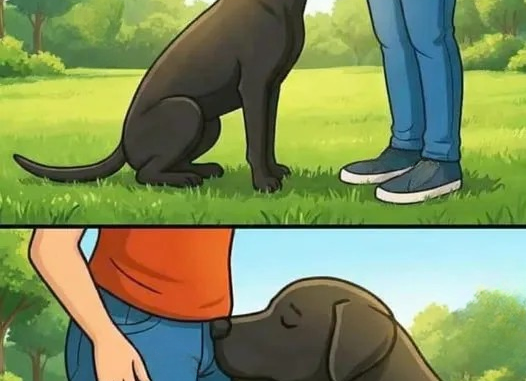
Being a responsible pet owner goes beyond providing basic necessities like food, water, and shelter—it also involves understanding how your dog communicates and why they behave the way they do. Dogs experience the world largely through their senses, with smell playing a particularly important role in how they interpret people and their surroundings. By learning about these instincts, owners can build trust and deepen their bond with their pets, reducing confusion and fostering a calm, positive relationship.
One behavior that often surprises people is when a dog sniffs certain areas of a person during greetings. While it can feel awkward in social situations, this is entirely normal for dogs. Their sense of smell is far more sensitive than ours, allowing them to gather detailed information quickly. Humans naturally emit scents through the skin, and some areas carry stronger signals that dogs can detect easily. For dogs, sniffing is simply a way to learn about someone—similar to how humans rely on conversation or visual cues.
Because dogs don’t use language the way humans do, they rely on scent as a primary form of communication. Sniffing acts as their way of introducing themselves and recognizing others. Through this behavior, they can sense familiarity, notice changes, and better understand their environment. Viewing sniffing as natural curiosity rather than inappropriate behavior helps owners respond with patience rather than frustration, making interactions smoother and more respectful for both the dog and those around them.
At the same time, owners can guide dogs toward more appropriate behavior in certain settings. Gentle, consistent training helps establish boundaries without discouraging natural instincts. Using simple commands and rewarding positive behavior encourages dogs to act calmly and respectfully. Over time, this balance—honoring their instincts while teaching social cues—builds confidence, reinforces good habits, and strengthens the bond between dog and owner.
Leave a Reply