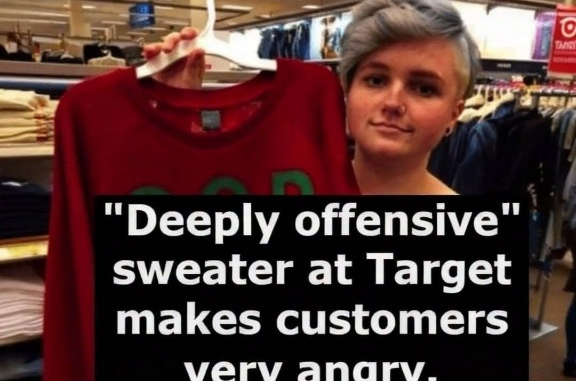
A recent shopping trip sparked a widespread online discussion after a customer noticed a message on a holiday sweater that raised concerns about the portrayal of mental health conditions in consumer products. What began as a simple observation quickly attracted attention across social media, where thousands of people shared differing opinions about whether certain phrases are appropriate for novelty clothing. The debate demonstrated how seemingly minor design choices can lead to larger conversations when they involve issues that affect many people personally.
As the discussion gained traction, individuals from various backgrounds offered contrasting viewpoints. Some believed that references to medical or mental health conditions on clothing should be approached with greater care, while others viewed such designs as harmless attempts at humor. The conversation reflected a growing trend among consumers to closely examine the messages and imagery featured on products. In an increasingly connected world, a single item can become the focus of broader debates about awareness, sensitivity, and corporate responsibility.
The controversy also reminded many people of similar discussions surrounding novelty merchandise in the past. Seasonal apparel, mugs, and other themed products have often generated mixed reactions when they incorporate labels, stereotypes, or playful expressions. While some consumers find these items entertaining and relatable, others worry that they may unintentionally reinforce misconceptions or outdated attitudes. Because personal experiences differ, reactions to such products can vary significantly. A phrase that seems harmless to one person may carry a very different meaning for another, particularly when it relates to health conditions, identity, or lived experiences.
The conversation intensified after shopper Reign Murphy voiced concerns about a holiday sweater sold by Target featuring the phrase “OCD Christmas obsessive-compulsive disorder.” Murphy argued that the wording could downplay the seriousness of obsessive-compulsive disorder, a condition that affects millions worldwide. At the same time, some individuals who identified as having OCD said they were not offended and considered the design lighthearted rather than harmful. In response to the growing debate, Target spokesperson Jessica Carlson acknowledged customers’ concerns, apologized to those who felt uncomfortable with the design, and stated that the company had not intended to cause offense. The retailer also confirmed that the sweater would continue to be sold. Ultimately, the discussion underscored how intent, context, and personal experience all influence the way people interpret the messages they encounter in everyday life
Leave a Reply