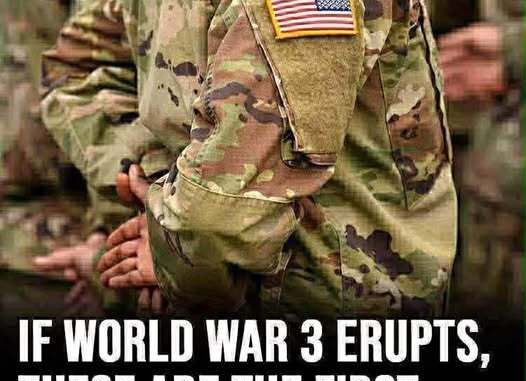
Talk of a possible mobilization — including discussions by leaders about major military moves — has reignited public curiosity about how the U.S. draft would work if a global war forced one to be reinstated. Here’s a clear breakdown of the current system and what would happen under U.S. law:
🇺🇸 No Active Draft — But the Legal Framework Still Exists
- The United States hasn’t implemented a military draft since 1973, when conscription ended after the Vietnam War. However, the legal authority for a draft remains in federal law and could be activated by Congress and the President during a national emergency that exceeds volunteer manpower.
- Right now there is no active draft; the U.S. armed forces are all‑volunteer.
🪪 Who Must Register Today
- Nearly all male U.S. citizens and male immigrant residents aged 18–25 are legally required to register with the Selective Service System. This creates a database the government could use to identify eligible individuals if a draft were reinstated.
- Registration must be completed within 30 days after turning 18, and remains required until age 26. Failure to register can carry penalties, including fines, prison time, and loss of eligibility for some federal jobs and benefits.
- Women are not currently required to register, though lawmakers have debated changes. For women to be included in draft registration, Congress would need to revise the law.
🎲 What a Draft Would Look Like
- If Congress and the President authorized a draft, the Selective Service would conduct a national lottery much like the system used during the Vietnam era. Birthdates would be drawn to assign a sequence for induction.
- Current rules envision calling up men in roughly this order: those who are 20 first, then those who are 21, followed by men aged 22–25, then 19‑ and 18‑year‑olds if more troops are needed.
- After lottery priority is assigned, individuals would receive induction notices and report for physical and administrative evaluations to determine fitness and possible deferments or exemptions.
📜 What This Means in Practice
- Draft registration today doesn’t mean you would automatically be sent to fight — it’s simply a pool of names. Congress and the President would have to explicitly reauthorize conscription for a draft to begin.
- The current system stands ready for such activation, but it has not been used in over half a century.
If you’d like, I can also explain deferments and exemptions (like for students or conscientious objectors) that might apply if a draft ever occurred.
Leave a Reply