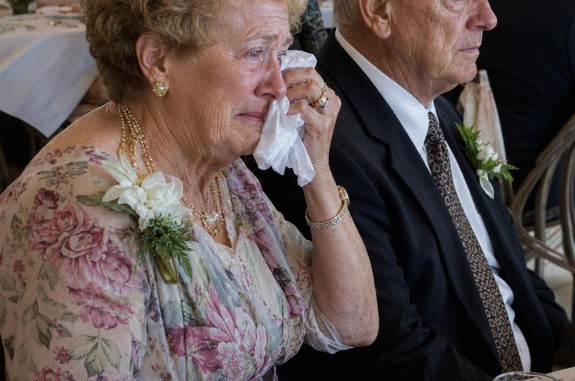
I thought marrying the man I loved would be the happiest moment of my life. I never imagined his mother would take over our wedding, humiliate my parents, and push everything to the breaking point. But the moment my husband grabbed the microphone, the entire night changed.
My name is Hannah, and I’m 31 years old. Looking back, I should’ve realized what was coming the moment my future mother-in-law, Patricia, learned that Ethan and I wanted a small, simple wedding.
We had been together for five years and dreamed of something intimate — a quiet vineyard ceremony, heartfelt vows, close family, and a warm atmosphere that reflected who we were. I wanted homemade touches and meaningful moments, not an extravagant production.
But Patricia saw simplicity as embarrassment.
She cared deeply about status and appearances. To her, a modest wedding reflected poorly on the family. When she realized I wasn’t planning the glamorous event she had imagined, she took control almost immediately.
At a brunch one morning, she criticized our plans and insisted people would judge us. When I mentioned that my parents couldn’t contribute much financially, she brushed it aside and promised she would “handle everything.”
And she did.
Before long, our quiet vineyard wedding transformed into a luxurious ballroom affair. Patricia upgraded every detail — the venue, the menu, the guest list, even the entertainment. Every time Ethan and I objected, she reminded us that she was paying for it, making it clear that our opinions no longer mattered.
My parents, Charles and Linda, couldn’t afford to contribute financially, but they gave us everything they could in other ways. My mother spent weeks handmaking decorations, and my father carefully prepared a heartfelt speech for the reception. They were proud and supportive, and to me, that meant far more than money.
The night before the wedding, I told Ethan that as long as my parents were there, I’d be happy no matter what the day looked like. He agreed completely.
On the wedding day, everything looked stunning — chandeliers, champagne towers, elegant music, and a room full of Patricia’s wealthy friends and distant relatives. My parents sat quietly in the corner with my siblings, looking uncomfortable among people trying so hard to impress one another.
During the reception, Patricia stood up to give a toast. At first, her speech sounded polite and harmless, but suddenly her tone shifted.
She publicly pointed out that some people at the wedding hadn’t contributed financially and implied they were there simply to enjoy the celebration for free. Then she looked directly at my parents.
The room fell silent.
I was horrified. My mother looked devastated, and my father quietly stood up and said that if they weren’t welcome, they would leave.
Watching my parents walk out of my wedding in tears shattered me.
Before I could react, Ethan stood up, grabbed the microphone, and addressed the room.
“If they’re leaving,” he said firmly, “then we’re leaving too.”
Everyone froze.
He called out his mother for humiliating the people who raised me and said he refused to continue celebrating under those circumstances. Then he invited anyone who truly cared about love and family to come with us.
Without hesitation, I took his hand and walked out beside him.
One by one, people followed — my siblings, cousins, friends, and even some members of Patricia’s own family. Patricia stood there stunned as her carefully orchestrated event unraveled around her.
We ended up at a small Italian restaurant Ethan and I loved. The atmosphere was simple, warm, and real. For the first time that day, I genuinely laughed. My dad gave his speech there in the middle of the restaurant, and it became the most meaningful part of the entire wedding.
Months passed before Patricia finally reached out. She never truly apologized or admitted how hurtful her behavior had been. Instead, she acted as though things had simply “gotten out of hand.”
But things changed after that night.
Ethan and I established boundaries. Patricia no longer controlled our decisions or dictated our lives. She learned to ask before involving herself, and while our relationship with her remained polite, it was no longer built on submission.
Most importantly, the experience brought Ethan and me even closer together. We spent more time with my parents, enjoying quiet family dinners and peaceful weekends together — moments that reminded us what truly mattered.
One evening, Ethan held one of the handmade paper cranes my mother had folded for the wedding and said softly, “That’s your family.”
Then he looked at me and added, “And I’ll always stand up for them. I’ll always stand up for you.”
That’s what I learned from all of this: love isn’t about appearances, money, or impressing other people. It’s about standing beside each other when things get difficult. Real love means protecting one another, even when it’s uncomfortable, and refusing to let anyone diminish the people who matter most.
Leave a Reply