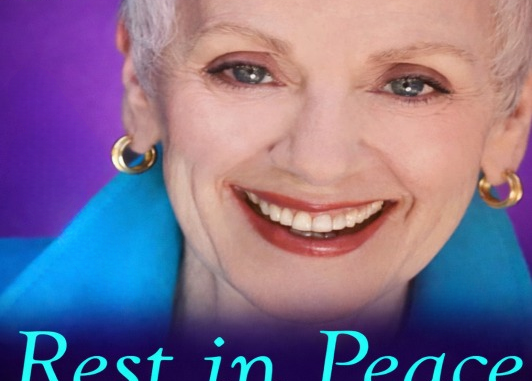
Some faces are unforgettable, even after years have passed since they last appeared on screen. They linger in memory, tied to a certain era, a familiar feeling, or the quiet rhythm of everyday life. For many viewers, she was exactly that kind of presence—warm, understated, and naturally genuine in a way that made her performances feel effortless.
Now, that presence is gone.
News of her death at age 75 has left a quiet but deep impression on those who followed her work. Not because she constantly sought attention or dominated headlines, but because she created something more enduring: a sense of connection built on authenticity rather than spectacle.
Jessie Jones was more than just a familiar face from 1990s television. She represented a time when storytelling felt grounded and characters were written with a sense of real-life relatability. Her performances carried that spirit, often making it seem as though she wasn’t acting so much as simply existing within the story.
But her journey began long before she became widely recognized.
She started in smaller spaces—early stage work and minor roles that offered little promise of fame but plenty of opportunity to learn and refine her craft. Those formative years shaped her approach to acting and influenced everything she did afterward.
She didn’t rush success; she built it gradually, step by step. Each role added depth to her skill, and over time she developed a quiet but powerful ability to connect with audiences.
When wider recognition came, it wasn’t because she changed—it was because more people began to notice what had already been there. Her subtle emotional control, her timing, and her instinct for restraint made even simple scenes feel meaningful.
One of her defining strengths was her ability to elevate ordinary moments. A pause, a glance, or a carefully delivered line often carried more weight than dramatic gestures ever could. It was a subtle craft that left a lasting impression without demanding attention.
Her work in 1990s television helped shape the tone of several well-loved shows, many of which focused on everyday life, family relationships, and small but meaningful struggles. She blended into these worlds naturally, helping them feel more authentic and grounded.
And her creativity didn’t stop at acting.
Over time, she expanded into writing, producing, and collaboration, always guided by the same values: honesty, relatability, and a focus on human experience rather than spectacle. She believed in storytelling that felt real—stories people could see themselves in.
That philosophy made her work widely accessible. Audiences connected with her characters because they reflected familiar emotions and situations, the kinds of details that often go unnoticed but feel deeply true.
Her influence also extended beyond the screen. Colleagues often described her as thoughtful, supportive, and deeply invested in the success of the entire production rather than just her own role. She understood storytelling as a shared effort, not a solo pursuit.
Those who worked with her carried that influence forward, even in small, unspoken ways.
Now, as people reflect on her life, what stands out most isn’t just her filmography, but the feeling she left behind—the sense of sincerity and quiet impact that defined her work.
Her legacy isn’t built on fame or spectacle, but on consistency, authenticity, and emotional truth. While she may no longer appear in new productions, the stories she helped create continue to live on, along with the connection she built with audiences over decades.
Leave a Reply