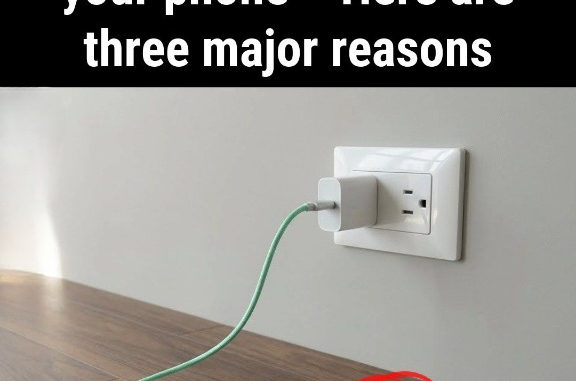
In today’s technology-driven world, smartphones, tablets, and other electronic devices are everywhere, and their chargers have become a constant presence in many households. It’s common for people to leave these chargers plugged in all the time, assuming they pose no risk when they aren’t actively powering a device. However, specialists suggest that keeping chargers permanently connected may lead to small health and safety concerns that build up over time. Factors such as heat buildup, minor chemical emissions, and low-level electromagnetic exposure can potentially influence long-term wellbeing.
Even when they aren’t charging anything, chargers still produce a small amount of heat. Cheaper or counterfeit chargers are more likely to wear down over time, which can release tiny amounts of volatile organic compounds (VOCs), including substances like formaldehyde. Although these emissions are generally very low, continuous exposure—especially in bedrooms or spaces with limited ventilation—may irritate sensitive airways, trigger allergies, or aggravate existing respiratory problems. Children, older adults, and people with asthma may be particularly sensitive.
Chargers can also produce weak electromagnetic fields while they remain plugged into an outlet. Although these levels are usually within safety standards, keeping active chargers close to where you sleep may contribute to headaches, restless sleep, or fatigue for some individuals. People who are especially sensitive to electromagnetic exposure sometimes report trouble focusing or increased irritability, particularly when several devices are plugged in near their bed or workspace.
Aside from potential health considerations, leaving chargers plugged in continuously can raise the chances of overheating or electrical faults, which may increase the risk of fire or shorten the lifespan of the charger. It can also lead to unnecessary energy use. For these reasons, many experts advise unplugging chargers when they are not being used. This simple habit can help lower potential risks, extend the life of your devices, and promote a safer, healthier home environment. 🔌🏠✨
Leave a Reply