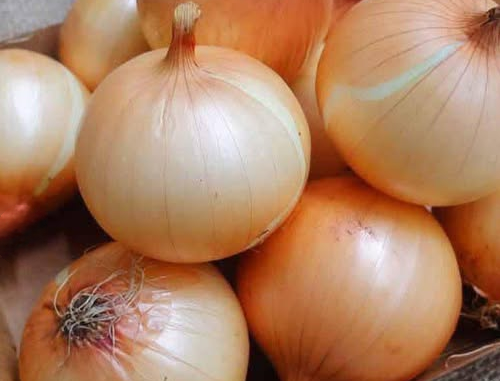
Onions have been a core ingredient in kitchens worldwide for centuries, appreciated for their ability to enhance flavor and bring depth to a wide variety of meals. They are used in everything from crisp salads and comforting soups to rich sauces and fast stir-fry dishes. Depending on how they are prepared, onions can taste sharp when raw, sweet when roasted, or deeply savory when slowly caramelized. Alongside their culinary versatility, they also provide naturally occurring nutrients and plant compounds that can contribute to a balanced, varied diet when eaten with other whole foods.
A major reason onions are often highlighted in discussions about nutrition is their antioxidant content. They contain flavonoids like quercetin, a natural compound known for helping the body manage everyday oxidative stress. As part of the Allium family—which also includes garlic, leeks, and shallots—onions have been widely studied for their general health-supporting properties. Red and yellow onions typically contain higher levels of these beneficial compounds compared to white varieties.
Onions may also play a role in supporting digestive health. They contain fiber and prebiotics that help feed beneficial gut bacteria, which can contribute to improved digestion over time. In addition, they provide small amounts of nutrients such as vitamin C and potassium, which are involved in immune and cardiovascular function. When eaten regularly as part of a balanced diet, onions may also help maintain healthy blood sugar and cholesterol levels that are already within a normal range.
However, not everyone tolerates onions in the same way. Some individuals may experience bloating or mild digestive discomfort, especially when eating them raw. Cooking onions often makes them easier to digest while still preserving much of their nutritional value and flavor. As with most foods, moderation is important, and even small portions can provide benefits.
Onions are not a medical treatment or cure, but they are an easy and affordable way to enrich everyday meals. Their flexibility in cooking allows them to fit into many different cuisines and eating habits. By adjusting preparation methods to personal tolerance, most people can include onions comfortably in their diet.
Overall, onions remain a simple yet valuable ingredient, combining taste, tradition, and nutritional contribution. Their long-standing presence in global cooking reflects both their versatility and their lasting role in everyday nutrition.
Leave a Reply