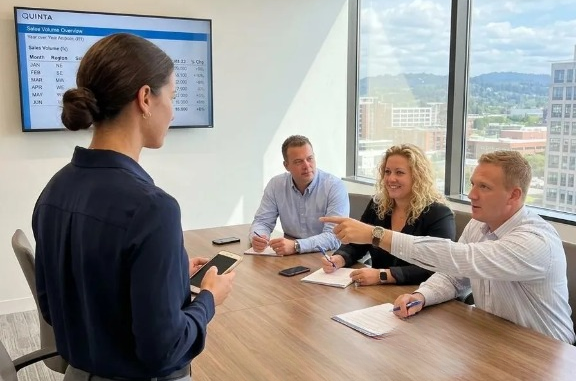
I was let go on a typical Tuesday afternoon in a meeting where everything was said carefully, almost clinically, as though a person could be treated like a procedural issue. My manager described my caution as opposition, my experience as reluctance, and my questions as barriers to progress. Yet behind him, the metrics told another story—growing defect rates, late deliveries, and overlooked risks. The decision, however, was already settled. I didn’t argue or try to justify myself. I simply collected my belongings and left, aware that the situation was far more unstable than anyone in that room seemed willing to admit.
What they didn’t realize was that my involvement in the company went far beyond my official role. Years earlier, I had deliberately worked inside the organization to understand its systems, its people, and its weak points from within. The company had once been built with real care, and I had treated that responsibility seriously. Over time, though, I watched priorities shift toward speed over accuracy and image over substance. Warnings were brushed aside, safeguards weakened, and critical concerns ignored. When I raised issues, I was seen as disruptive, but I continued recording everything, knowing that having clear documentation would matter when the right moment arrived.
That moment came during the shareholder meeting later that week. When I entered the boardroom, the same leaders who had dismissed me were clearly unprepared for what followed. Calmly and systematically, I presented verified records—missed warnings, gaps in reporting, and decisions that had exposed the company to significant risk. I also clarified my position as the majority shareholder. The atmosphere in the room changed immediately, not through spectacle, but through recognition of the facts. A formal vote was taken, and leadership was replaced within minutes—not out of emotion, but out of accountability to the company’s long-term stability.
In the weeks afterward, attention shifted toward rebuilding what had been damaged. Processes were reassessed, concerns were once again taken seriously, and stability slowly returned. I made no announcements and sought no attention. Instead, I continued working quietly with the same teams, guided by a belief I had long held: leadership is rooted not in authority, but in responsibility. The company moved forward, strengthened by confronting reality, and steadied again by the discipline that had originally sustained it.
Leave a Reply