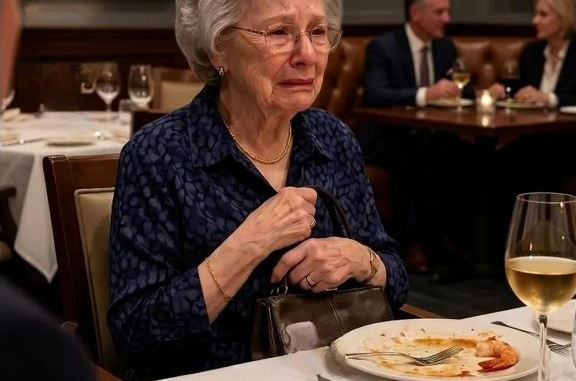
Some moments reveal a person’s true character whether you’re prepared for it or not. For me, that realization came the night my step-siblings left our 81-year-old grandmother at a restaurant with a $412 bill they had no intention of paying. Alan and Daria had invited Grandma Rose out for what they called a “special seaside dinner,” and although I found their sudden generosity suspicious, I wanted to believe it came from kindness. I couldn’t attend because of work, but during a meeting my phone rang repeatedly. It was Grandma, her voice shaking as she explained that Alan and Daria had excused themselves to “go to the car” and never came back. Then the bill arrived, and she didn’t have enough to cover it.
I left work right away and drove to the restaurant. When I arrived, Grandma was sitting alone, holding her purse tightly and apologizing as if she had done something wrong. That part hurt more than the bill itself. I paid immediately and requested a detailed receipt. What I saw made the situation worse: expensive lobster, steak, wine, and dessert—all ordered by my step-siblings. Grandma had only tea, soup, and bread. On the drive home, she kept insisting she would repay me, but I reassured her she wouldn’t. Still, I knew I couldn’t let it go. It wasn’t just inconsiderate—it was disrespectful.
That same night, I printed the receipt in large format and went to Alan and Daria’s apartment. When they opened the door, laughing, their expressions changed as soon as they saw me. I placed the receipt on the table and asked them to explain why they had left Grandma with their bill. They dismissed it as a misunderstanding and insisted it wasn’t a big deal, showing no real remorse. So instead of arguing further, I went home and shared the itemized receipt in our family group chat with a single message explaining what had happened.
Within minutes, relatives began reacting in disbelief—and then sharing their own experiences of borrowed money and unpaid favors. By the next morning, Alan and Daria could no longer deny what was being said about them. Under growing family pressure, they contacted me and offered to reimburse the cost of the dinner. I told them repayment alone wasn’t enough—they needed to apologize properly, acknowledge their behavior, and start making amends.
To my surprise, they did. They repaid the bill, sent money to Grandma, and began treating her with more care afterward. Over time, their behavior slowly improved, even if it didn’t happen overnight. I still keep that oversized receipt in a drawer—not to reopen old wounds, but as a reminder that sometimes people only change when they’re finally forced to confront what they’ve done.
Leave a Reply