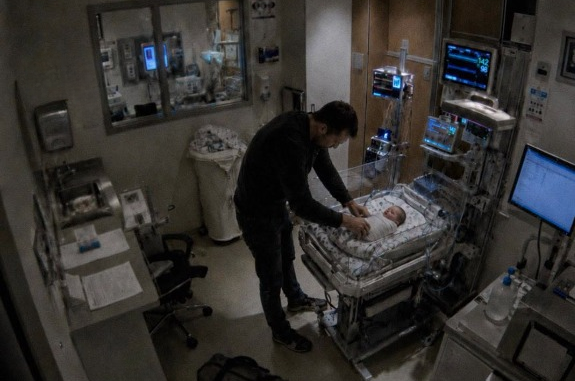
I used to believe the hardest thing I’d ever go through was surviving a complicated labor. I had no idea the real nightmare would start the moment I woke up.
At 38 weeks, I couldn’t even walk past the nursery without smiling. Everything had gone smoothly—two healthy heartbeats, perfect scans, and matching names stitched onto tiny blankets my sister Rachel had sent.
I was on maternity leave as a graphic designer, and our suburban home felt like it was holding its breath, waiting for the babies to arrive.
My husband, Ryan, seemed like the ideal soon-to-be father. He was attentive, gentle in all the right ways—massaging my feet at night, assembling the second crib after weeks of reminders, always composed, always in control. Friends told me I was lucky.
And I believed them.
Still, there were little things I tried not to question.
He took long, unexplained calls in the garage. When I asked about them, he brushed it off as work. He acted indifferent when we discussed baby names, as if it didn’t really matter. Once, I caught him watching me with an unreadable expression across the kitchen, then quickly masking it with a vague smile.
I told myself I was just anxious, overthinking things.
Then, one afternoon at 38 weeks and a day, everything changed.
A sudden, unbearable pain tore through me while I was in the kitchen. I collapsed instantly. Ryan called emergency services, his voice calm and almost mechanical as he reported that I was pregnant with twins and had collapsed.
I remember being lifted into an ambulance, the world fading out around me.
The next thing I knew, I woke up three days later in a hospital bed.
Ryan was there, holding my hand, crying as he told me one of our babies hadn’t survived.
I couldn’t process it. The grief was immediate and crushing. I believed him because I had no reason not to.
We named the surviving baby Caleb.
In the days that followed, Ryan played the role of the devoted husband perfectly—bringing flowers, comforting me, speaking softly, never leaving my side. Everyone at the hospital praised him.
But things didn’t fully add up.
When I asked for details about what happened in surgery, he avoided answers. When I asked for paperwork, he dismissed it. When I pressed for clarity, he grew tense and told me to focus on healing.
A nurse named Diana noticed my confusion. She quietly told me to trust my instincts and slipped me a video before leaving my room, warning me to watch it before trusting my husband.
After Ryan stepped out, I finally played it.
It showed him outside the operating room, calmly telling someone on the phone that he had instructed doctors not to perform an additional intervention, that he had already signed a refusal, and that he never wanted both babies.
That moment shattered everything I thought I knew.
Diana returned and confirmed what she had seen—that he had used his authority as my medical proxy while I was unconscious to prevent the second baby from being saved. Legally, it had been within his rights on paper, but morally it was devastating.
I tried to get the official consent forms, but the hospital placed them under review and delayed access.
So I called my sister Rachel.
She arrived with a lawyer, and together we moved quickly to regain control of my medical decisions and secure evidence. With Diana’s statement and the video, the truth became harder for Ryan to hide.
When he returned and realized what was happening, I confronted him directly. He tried to justify his actions, saying he was protecting our family and that twins would have ruined our lives.
But I had already heard his own words on video.
I revoked his medical authority, ended our marriage, and began legal proceedings.
He was escorted out of the hospital.
Six months later, my life looked completely different. The divorce was finalized, and I was raising Caleb while grieving the son he had taken from me. I planted a tree in memory of him and began rebuilding slowly, piece by piece.
And for the first time since waking up in that hospital bed, I felt something close to peace.
Leave a Reply