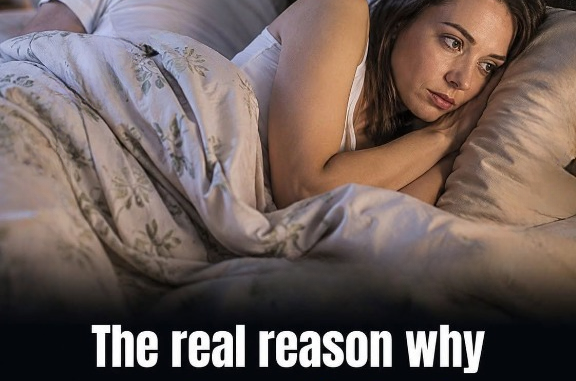
Research suggests that your sleeping habits may reveal more about your relationship than you might initially believe.
Getting enough quality sleep is essential for functioning well during the day, and while the position you sleep in may not always directly impact sleep quality, it can reflect underlying emotional and psychological dynamics between partners.
Experts note that sharing a bed with a partner can bring unexpected benefits. Relationship psychologists agree that sleeping close to a loved one may strengthen emotional bonding, lower stress levels, help regulate body temperature, and even reduce symptoms of insomnia.
But what does it mean if your partner turns away from you while sleeping? Could it indicate emotional distance? Before drawing conclusions, it’s important to consider what specialists say.
In many situations, sleeping back-to-back—or one partner simply turning away during the night—is a matter of comfort rather than concern. Some individuals naturally need more personal space, prefer cooler conditions, or find certain positions more conducive to restful sleep.
Sleep specialist Dr. Rebecca Robbins explains that everyone has a preferred sleeping posture, and facing away from a partner does not automatically signal emotional disconnection. However, she adds that if this change in sleeping behavior appears suddenly, it may sometimes reflect stress or a shift in emotional closeness.
Overall, sleep positions can sometimes mirror how couples handle daily life, but they do not necessarily indicate problems in the relationship. In fact, many couples who regularly sleep back-to-back report long-lasting and satisfying partnerships.
Relationship psychologist Corinne Sweet also notes that this position can suggest a sense of security and independence within the relationship, explaining that it often reflects both closeness and individuality at the same time.
Additionally, the back-to-back sleeping position—sometimes referred to as the “Liberty” position—is one of the most common among couples, with around 28% reportedly adopting it, according to the Huffington Post.
In the end, when a partner sleeps with their back turned, or when couples sleep back-to-back, it is not necessarily a sign of emotional distance. More often, it simply reflects a natural preference for comfort and restful sleep.
Leave a Reply