The instant I discovered the envelope tucked beneath my father’s prized white rose bushes, I sensed that something was deeply wrong. Just moments earlier, my ex-husband’s new wife had smugly declared that the upcoming reading of my father’s will was nothing more than a formality and that she and my ex would soon have influence over the family property. Her certainty unsettled me. My father had always been cautious, intelligent, and fiercely protective of everything he had spent a lifetime creating. When I recognized his handwriting on the envelope, my pulse quickened. Rather than opening it myself, I immediately contacted Eleanor, the attorney who had represented my father for years. The moment I described what I had found, her normally composed voice became urgent. She instructed me to bring the envelope directly to her office and firmly advised me not to meet privately with my ex-husband, his wife, or even my younger brother. That was the moment I began to suspect that my father had anticipated trouble long before his passing.
When I arrived at Eleanor’s office, the contents of the envelope revealed a side of my father I had never fully appreciated. Inside was a personal handwritten letter along with a notarized legal statement. In the letter, he explained that during his final months he had grown concerned about certain individuals showing an unusual interest in his assets and property. He believed some relatives and outside influences were quietly positioning themselves to benefit from his declining health. The most surprising revelation was his reference to a second will. He reminded me of the lessons he had taught me while tending his beloved rose garden—that beauty may attract attention, but survival depends on resilience and strength. Eleanor then informed me that six months before his death, my father had revised his estate plan and taken additional legal precautions to ensure his wishes could not easily be challenged. Suddenly, the confidence my ex-husband and his wife had displayed made perfect sense. They believed they already knew the outcome.
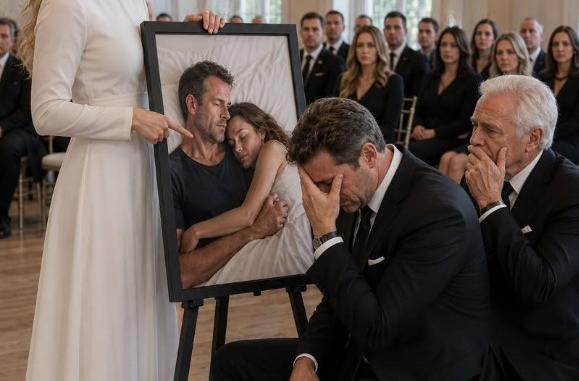
The next day, family members gathered for the formal reading of the estate documents. Initially, an older version of the will was presented, and I watched as several people in the room visibly relaxed. Then Eleanor introduced a second, more recent document. The atmosphere shifted instantly. My father had even recorded a video explaining his decisions, while independent witnesses verified that he had been fully competent when making them. Under the updated plan, ownership of the family home, surrounding land, gardens, and authority over the family trust were transferred entirely to me. My brother was left a separate inheritance, but only under the condition that he respected my father’s final wishes and refrained from assisting anyone who attempted to contest them. As Eleanor continued reading, it became obvious that my father had anticipated every possible conflict. His reasoning had been carefully documented, leaving little room for dispute, confusion, or manipulation.
When the meeting concluded, those who had expected to gain the most from the estate left frustrated and disappointed. My brother stayed behind and eventually admitted that he had allowed himself to be influenced by promises, pressure, and false expectations. Although I wasn’t prepared to forgive him immediately, I finally understood the extent of my father’s foresight. Later that evening, I returned to the garden where I had uncovered the envelope. The roses swayed gently in the evening breeze, just as they had throughout my childhood. Standing there, I realized that my father’s final gift had never been solely about property or inheritance. It was about protection. He had recognized the challenges that would emerge after he was gone and had carefully prepared me to face them. As I looked across the land he had cherished for so many years, I remembered a lesson he often repeated: roses are admired for their beauty, but they survive because they know when to show their thorns. In the end, that wisdom proved to be the most valuable inheritance he left behind.
Leave a Reply