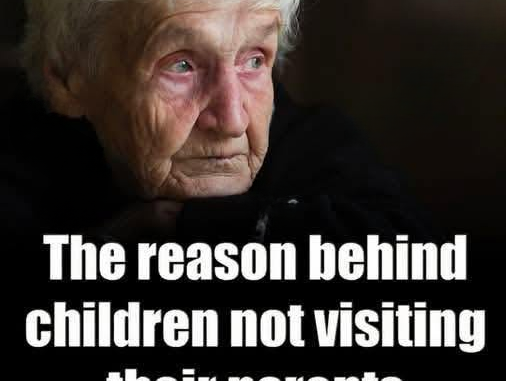
Why Some Adult Children Become Distant From Their Parents
When adult children grow distant from their parents, the reasons are often more complicated than they may appear at first glance. While in some cases the distance comes from busy schedules or living far apart, in others it is rooted in long-standing emotional pain, misunderstandings, or unresolved conflicts.
The outcome, however, is often similar on both sides—feelings of sadness, confusion, and a sense of loss.
Life Changes and Increasing Responsibilities
As people enter adulthood, their priorities naturally shift. Careers, marriages, children, financial pressures, and everyday responsibilities can take up most of their time and attention.
What may start as a missed call or a delayed visit can slowly turn into weeks or months of limited contact.
In many families, this distance isn’t caused by a lack of love. Instead, it often reflects the reality of busy lives and the challenge of maintaining close relationships while managing adult responsibilities.
Physical relocation also plays a role. Moving to another city or country can make regular visits harder, and over time, relationships may gradually drift apart.
Unresolved Hurt and Past Conflicts
In some situations, the distance runs much deeper.
Past arguments, broken trust, emotional wounds, or years of unresolved tension can create barriers that are difficult to repair.
Even when family members live nearby, emotional distance can feel even greater than physical separation.
Visits may become uncomfortable when past pain has not been addressed. What looks like avoidance is often a sign of deeper issues that still need healing.
Rebuilding these connections usually requires honesty, patience, and a willingness from both sides to acknowledge what happened and move forward.
Communication Gaps
Sometimes distance forms simply because expectations were never clearly discussed.
Parents may assume their children are always welcome to visit, while adult children may believe their parents prefer space or privacy.
These unspoken assumptions can slowly lead to misunderstandings.
A parent may see less contact as rejection, while a child may see it as respecting boundaries.
In reality, small and consistent communication—like a quick message or phone call—can make a significant difference in maintaining connection.
Childhood Emotional Experiences
For some adults, distance is linked to how they felt during childhood.
Those who grew up feeling ignored, criticized, or emotionally unsupported may carry those experiences into adulthood.
As a result, they may struggle to feel emotionally safe with their parents and choose distance as a form of protection rather than punishment.
Without a sense of emotional security, maintaining a close relationship can feel difficult or even overwhelming.
Boundaries for Emotional Health
Some adult children create distance because they feel it is necessary for their mental well-being.
This often happens when interactions with family consistently lead to stress, guilt, conflict, or emotional strain.
Although setting boundaries can be painful for parents, it is sometimes the only way individuals feel they can protect their emotional health.
Understanding this perspective can be an important step toward rebuilding healthier communication.
The Effects of Self-Focused Parenting
In certain cases, parents may have consistently prioritized their own needs and expectations over their children’s emotional experiences.
When children feel unheard, controlled, or invalidated over many years, they may eventually withdraw in adulthood.
In these situations, distance is often less about resentment and more about seeking peace and emotional balance.
Without mutual respect and understanding, maintaining closeness becomes increasingly difficult.
Rebuilding Relationships
The encouraging reality is that many strained family relationships can improve over time.
Reconnection often begins when both sides are willing to communicate openly, listen without judgment, and acknowledge each other’s experiences.
It does not always require major actions.
Sometimes it starts with a message, a phone call, an apology, or simply the willingness to listen.
Final Thoughts
The distance between parents and adult children is rarely caused by a single moment. It usually develops gradually through life transitions, unmet expectations, communication gaps, and emotional experiences over time.
Recognizing these factors can help families move away from blame and toward understanding.
Because often, rebuilding connection begins with a single honest conversation and the willingness to truly listen.
Leave a Reply