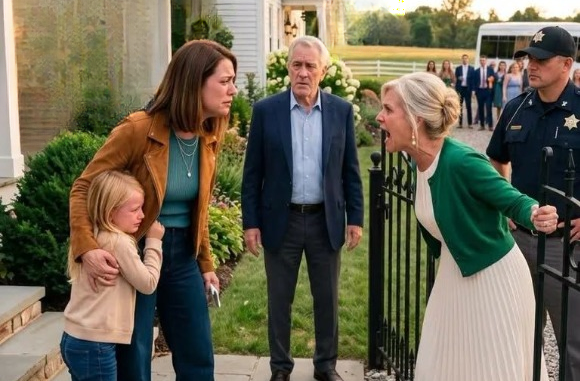
The morning my parents showed up with three buses filled with guests, I realized things had gone far beyond what I could tolerate. My farmhouse, the home I had spent years restoring with my own hands, had been transformed into the setting for a huge anniversary celebration I had never agreed to host. Caterers were unloading supplies, musicians were setting up, and relatives were arriving as if the property already belonged to them.
Only eleven days earlier, my twelve-year-old daughter Lily had come home after undergoing a bone marrow transplant. Her doctors had been very clear: during her recovery, she needed protection from unnecessary exposure to large groups of people. I had explained to my parents that my farmhouse was not a safe place for a forty-person gathering while Lily was still healing.
My mother, Margaret Carter, brushed off my concerns and coldly replied, “Then keep her upstairs.”
I didn’t argue. I didn’t beg them to understand.
Instead, I quietly made a decision that would permanently change the way my family saw me.
By Friday evening, I had removed every decoration, table, and personal belonging my parents had brought to the farmhouse and placed them in a rented storage unit. I changed the locks, updated the security gate code, and filed the necessary legal notice to protect my property. My parents assumed I would eventually give in once their guests arrived.
They were wrong.
The following morning, when the crowd reached the locked gate, they were met by Sheriff Daniel Brooks waiting outside. My mother immediately demanded access, but instead of arguing, I played the voicemail she had left me—the one that revealed exactly what she intended to do if I refused to let them use my home.
But that recording was only the first piece of a much bigger truth that was about to be revealed.
Leave a Reply