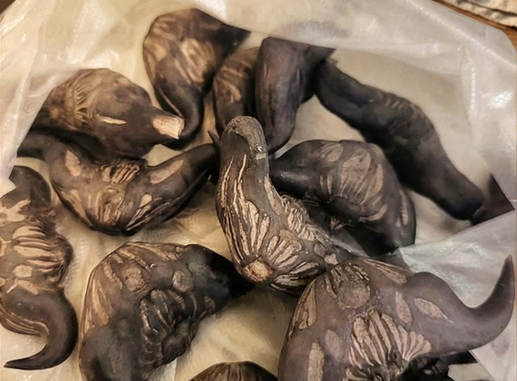
For generations, people living near forests relied on wild plants and roots during times of need. These natural resources often provided food or were used in traditional practices when few alternatives were available. While these accounts highlight resilience and a deep understanding of nature, modern experts stress that using wild plants today should be done with caution. Not everything that grows in the wild is safe to consume, and guessing can lead to serious health risks. What once depended on carefully passed-down knowledge should not be approached casually today.
Sometimes, the first warning signs appear through simple contact. If touching a root causes itching, burning, redness, or numbness on the skin, lips, or tongue, it may contain compounds that irritate the body. These reactions are often a plant’s natural defense. If contact alone triggers a response, eating it could lead to more severe effects. Noticing and respecting these early signals is important to avoid greater harm.
Misidentification is another serious concern. Many edible roots look very similar to toxic ones, and the differences can be subtle. In the past, accurate identification came from years of experience shared across generations. Without that level of knowledge, mistakes are far more likely. Some roots also require specific preparation—such as soaking or prolonged cooking—to reduce natural toxins. If not handled properly, they can still be dangerous. Strong bitterness or a numbing taste can also act as warning signs.
While nature provides many useful resources, it’s important to approach unfamiliar plants with care and respect. People can react differently, and some groups—like children, older adults, or those with health conditions—may be more sensitive. When there is any doubt, choosing not to eat a plant is always the safest decision. By balancing curiosity with awareness and modern safety knowledge, you can appreciate nature without risking your health.
Leave a Reply