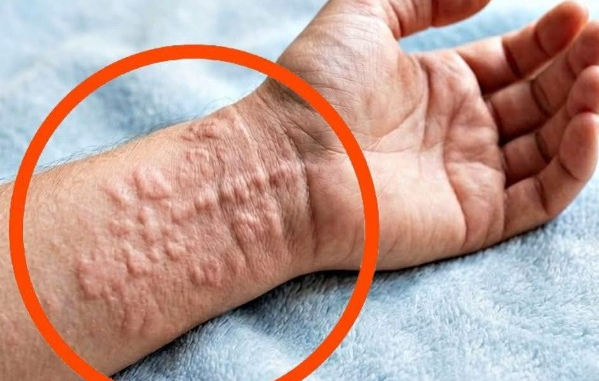
Recognizing When a Rash Becomes a Medical Emergency
Skin irritation is often dismissed as something minor, with many people assuming redness or small bumps will disappear without treatment. However, when these symptoms appear together with breathing difficulties, the situation may indicate a serious and potentially life-threatening emergency.
Hives and Anaphylaxis Explained
Raised, red, and itchy welts on the skin are commonly known as hives (urticaria). They can appear suddenly and spread quickly across the body. While hives alone are usually not dangerous, their presence alongside breathing issues may point to anaphylaxis—a severe allergic reaction that affects the entire body and can be fatal if not treated immediately.
Warning Signs to Recognize
Breathing changes are the most important indicator of danger. Treat the situation as an emergency if hives occur together with any of the following symptoms:
- Difficulty breathing or shortness of breath
- Tightness in the chest or throat
- Swelling of the face, lips, or tongue
- Rapid or irregular heartbeat
- Severe dizziness, fainting, or loss of consciousness
Possible Triggers and Unpredictability
Anaphylaxis can be caused by a range of triggers, including certain foods such as peanuts or shellfish, medications, insect stings, latex, or other environmental allergens. In some cases, it can occur even without a known allergy history, making it difficult to predict.
Why Immediate Action Is Crucial
Delaying treatment can be extremely dangerous. A seemingly mild rash can rapidly progress into airway blockage or shock if not addressed quickly.
What to Do Right Away
If someone shows both hives and breathing problems, immediate action is essential:
- Call emergency services immediately
- Administer an epinephrine auto-injector if it is available and prescribed
- Stay with the person and monitor their condition until help arrives
Key Message
A rash accompanied by breathing difficulty should never be ignored. It is a serious warning sign that requires urgent medical attention to prevent life-threatening outcomes.
Leave a Reply