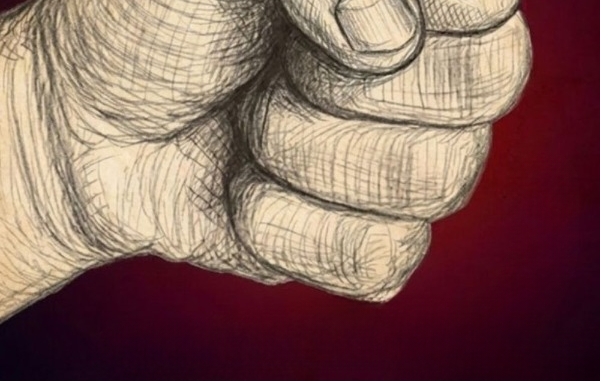
Hand gestures can hold deep and varied meanings, and the same movement may represent completely different ideas depending on culture, history, and setting. The gesture shown in the image is commonly called the “fig sign” or “mano fico.” It is formed by making a fist and placing the thumb between two fingers. Although it may appear harmless or playful, this gesture has carried many meanings throughout history.
An Ancient Symbol
The fig gesture dates back thousands of years. In many ancient Mediterranean cultures, it was associated with protection, fertility, and good fortune. People believed certain hand gestures could defend them from curses, negative energy, or the “evil eye.” In those traditions, the sign was not insulting—it was viewed as a form of spiritual protection.
For many, using the gesture symbolized safety and strength, almost like carrying a lucky charm or wearing a protective amulet. It was a silent way of saying that harmful forces had no power over them.
A Symbol of Protection and Resistance
One common interpretation of the fig gesture is defiance. People may use it to show courage, resistance, or refusal to be intimidated. In that context, the gesture can communicate ideas such as:
- “Your negativity cannot affect me.”
- “I reject harmful intentions.”
- “I will not be controlled or threatened.”
Because of this meaning, the gesture became strongly connected to superstition and folk traditions. It served not only as body language but also as a symbolic act of protection.
A Gesture That Can Also Be Offensive
Despite its protective origins, the fig sign is not always seen positively. In some cultures, it is considered rude or insulting, especially when directed toward another person. What may be viewed as harmless in one place can easily be interpreted as disrespectful elsewhere.
This highlights how important cultural context is. A hand gesture is shaped not only by the position of the fingers, but also by local traditions, social meaning, and the situation in which it is used.
A Playful Meaning in Modern Culture
In some modern Western settings, a similar gesture appears in playful situations, such as the childhood game “got your nose.” Adults may jokingly pretend to “steal” a child’s nose using the same hand position. In this case, the gesture carries no negative meaning at all—it is simply humorous and lighthearted.
This shift in meaning shows how symbols evolve over time. A gesture once tied to magic or protection can later become a joke, a charm, or even an insult depending on the culture.
What Does the Gesture Communicate Today?
Today, people may use the fig gesture to express several different messages. Depending on the context, it can symbolize:
- Protection or good luck
- Rejection of bad energy
- Confidence or resistance
- Humor and playful teasing
- Disrespect or provocation
What makes the gesture so fascinating is that it is rarely neutral. It almost always carries emotion or intention, whether positive or negative.
Why the Gesture Still Matters
The fig gesture remains culturally significant because it demonstrates that body language is not universal. A small movement of the hand can carry centuries of symbolism and completely different meanings across societies.
At its core, the gesture often represents strength, protection, or resistance expressed without words. Yet its true meaning always depends on the culture, the situation, and the intention of the person using it.
Leave a Reply