Annabelle Thompson lived a quiet, steady life teaching piano to children in a small apartment just outside Philadelphia. Her younger sister Megan, by contrast, thrived on attention, comfort, and admiration. Annabelle had always been the dependable one—the daughter who was expected to handle responsibilities without recognition. The only person who truly understood her was her grandmother, Eleanor, who not only taught her music but also shaped her values of honesty and integrity. At the heart of those lessons was a cherished 1892 Steinway piano, passed down through generations and carrying deep family meaning. Before entering hospice care, Eleanor made her wishes unmistakably clear: the piano was meant for Annabelle, and she pleaded with her never to allow the family to turn it into a source of profit.
Not long after, Annabelle returned to her grandmother’s empty home to gather keepsakes and immediately realized the piano was gone. When she confronted her parents, she learned the truth—staggering and painful. They had secretly sold the Steinway for $95,000 and used the money to buy Megan a luxury Mercedes. Her mother dismissed it as a “practical” decision, while her father brushed it off as an old instrument with no real value. They also urged Annabelle to stay silent, insisting the news would be too upsetting for Eleanor’s fragile condition. But Annabelle couldn’t ignore the promise she had made. The next morning, she visited her grandmother and gently told her everything. Eleanor listened without interruption, then calmly contacted her longtime attorney, signaling that the matter would soon be addressed.
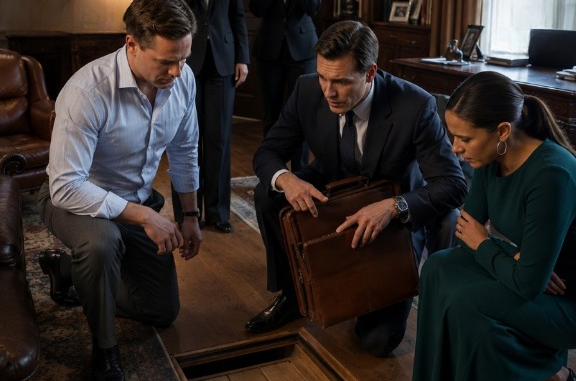
A few days later, at a large family birthday gathering at Eleanor’s home, Annabelle’s father proudly displayed Megan’s new car, presenting it as if it were a generous gift endorsed by Eleanor. Before the moment could be celebrated, Eleanor arrived with her attorney. Despite her frail health, she carried herself with quiet authority and instructed everyone to sit down. Her attorney then presented legal documents proving the Steinway had been left to Annabelle and could not be sold without Eleanor’s explicit consent. Financial records confirmed that the piano’s sale had directly funded the car purchase. The room fell into stunned silence as Eleanor named the act for what it was: theft.
With the evidence undeniable, Annabelle’s parents were forced to return the money and reverse the purchase of the car. The Mercedes was sold, trust within the family fractured, and long-hidden tensions came to the surface. In the weeks that followed, the restored Steinway was placed in Annabelle’s recital space at the school where she taught. Eleanor visited one last time to hear her granddaughter play before passing away peacefully soon after. Years later, Annabelle often sat at the piano in quiet reflection, remembering her grandmother’s final lesson—that music is not meant for display or approval, but for truth. And in the end, Eleanor ensured that truth was heard.
Leave a Reply