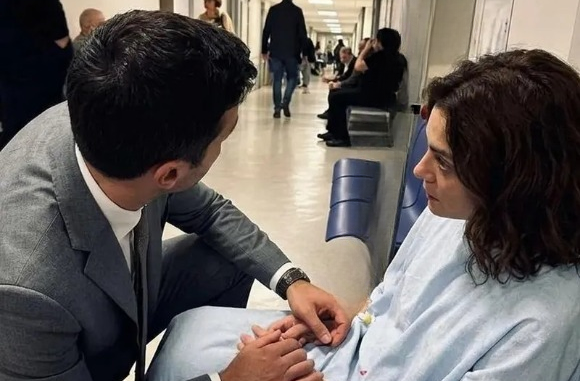
Three months after my divorce from Rebecca was finalized, I received a surprising call from a hospital asking me to come see her. After suffering a serious medical emergency and being admitted to the cardiac unit, she had listed me as her emergency contact. Walking into her hospital room felt surreal, like stepping back into a chapter of my life I thought had already ended. The confident woman I remembered from our marriage was gone. Sitting quietly near the window, Rebecca looked drained, vulnerable, and weighed down by something far beyond her physical condition. At first, our conversation was tense and distant, shaped by the separation and hurt we had carried through the divorce. But as the day went on, Rebecca slowly began sharing the truth she had hidden from me for years.
She confessed that she had struggled with severe anxiety since her college years, quietly enduring panic attacks, insomnia, and constant emotional exhaustion. Over time, she became dependent on medication while trying to handle everything on her own. During our marriage, she concealed most of what she was going through because she feared being judged and worried I would leave if I understood how serious her struggles had become. As I listened, memories from our marriage replayed differently in my mind. The emotional distance, canceled plans, frequent arguments, and moments when I thought she no longer cared suddenly made sense in a new way. What I once interpreted as coldness or disinterest was often fear, shame, and overwhelming exhaustion she didn’t know how to express. I realized I had noticed her behavior without truly understanding the pain behind it.
In the weeks that followed, I stayed involved as Rebecca began treatment and recovery with the help of doctors, therapists, and counseling programs. Through therapy sessions, I learned more about anxiety disorders, emotional isolation, and the quiet ways untreated mental health struggles can damage relationships over time. Rebecca admitted that part of her wanted me to notice her suffering, while another part of her was terrified anyone would discover how overwhelmed she truly felt. That contradiction had shaped much of our marriage. We both carried regret—hers for hiding her struggles and mine for reacting with frustration instead of compassion. Although we both knew our marriage could not be rebuilt, something unexpected started to grow between us: honesty. For the first time in years, we stopped pretending everything was okay and began talking openly about fear, disappointment, and healing.
Months later, Rebecca had made meaningful progress through therapy, medical support, and group counseling. She returned to work with healthier boundaries and slowly repaired relationships she had once withdrawn from. I changed as well. The experience taught me to listen more carefully and to ask deeper questions when someone seems distant or emotionally overwhelmed. Eventually, Rebecca and I developed a friendship grounded not in romance or obligation, but in understanding and honesty. Looking back now, I realize some relationships don’t end because love disappears. Sometimes they fall apart because silence and fear keep people from truly seeing one another. Rebecca’s journey taught me that asking for help is not a sign of weakness, and that healing often begins the moment people stop hiding their struggles and allow themselves to be truly seen.
Leave a Reply