Shrimp has long been a favorite ingredient in cuisines across the globe. Delicate yet filling, mild yet distinctive in flavor, it fits just as naturally into simple weeknight meals as it does into elegant dishes for special occasions.
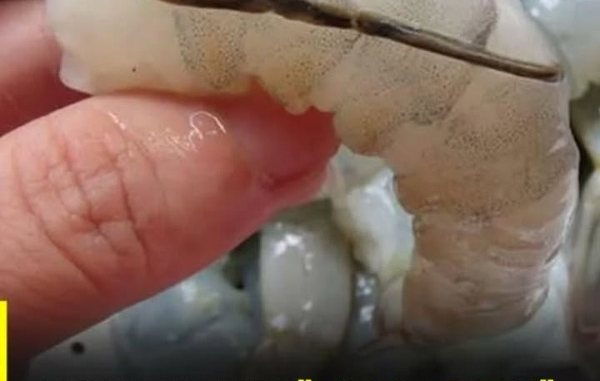
Still, despite how common shrimp is, one small detail continues to raise questions among both home cooks and professional chefs: the thin dark line running along the shrimp’s back, commonly called the “vein.”
It may seem insignificant, but once noticed, it often sparks curiosity. Should it be removed? Is it harmful? Does it change the flavor? The reality is both straightforward and more nuanced than many assume.
What That Dark Line Really Is
Contrary to its nickname, the line is not a vein. It’s actually the shrimp’s digestive tract, or intestine.
Located along the top curve of the shrimp, this tract can contain traces of whatever the shrimp consumed before being harvested, including algae, plankton, and tiny particles from its surroundings.
Because of this, it often appears dark brown or black. In smaller shrimp it may be difficult to see, while in larger shrimp it can stand out clearly.
Is It Safe to Eat?
In most cases, yes. Shrimp that still contains the digestive tract is generally safe to eat as long as it’s fresh and properly cooked. Cooking at high temperatures destroys harmful bacteria and greatly lowers any potential food-safety concerns.
However, safety is only one aspect of cooking. Taste, texture, appearance, and personal preference also influence the overall dining experience.
Why Some Cooks Remove It
Many cooks and chefs choose to remove the tract not because it’s dangerous, but because it can affect flavor and texture. Some people notice a faint bitterness or slight grittiness when it’s left in—particularly in grilled, sautéed, or fried shrimp where flavors are more concentrated.
Deveining can create a cleaner flavor and a smoother bite, which is especially important in dishes where shrimp takes center stage.
An Easy Way to Devein Shrimp
Cleaning shrimp is simple and doesn’t require specialized tools:
- Using a small knife, make a shallow slit along the shrimp’s back.
- Lift out the dark tract with the tip of the knife or a toothpick, then discard it.
It’s also possible to remove it after cooking and peeling the shrimp, though the texture becomes firmer and slightly less convenient to work with.
Does Every Shrimp Need It Removed?
Not always. It often depends on the size of the shrimp and the type of dish being prepared.
- Small shrimp: The tract is usually very thin and barely noticeable, so many people leave it in.
- Large shrimp: The line tends to be more visible and is commonly removed for appearance and improved taste.
That’s one reason many grocery stores sell large shrimp already peeled and deveined, especially for dishes where presentation matters.
The Other Line on Shrimp
You may also notice a pale line running along the underside of the shrimp. Unlike the darker line on the back, this is a blood vessel rather than a digestive tract. It contains no waste and does not need to be removed.
When people refer to “deveining,” they’re talking only about the darker tract on the back.
Can It Indicate Freshness?
While not a perfect indicator, the appearance of the tract can sometimes hint at the shrimp’s freshness:
- A very dark or thick tract may suggest the shrimp has been stored longer or handled less carefully.
- A lighter or less visible tract is often associated with fresher shrimp or a cleaner natural diet.
Even so, freshness should always be judged primarily through proper sourcing, smell, and storage conditions.
A Matter of Cleanliness and Preference
Although deveining isn’t absolutely necessary, many consider it part of good kitchen practice. Removing the tract eliminates any lingering grit or residue and may make shrimp easier on sensitive stomachs.
It’s a quick extra step that reflects attention to detail and care in preparation.
Final Thoughts
The dark “vein” in shrimp is nothing mysterious or dangerous, but understanding what it is helps cooks decide whether or not to remove it. The choice ultimately comes down to taste, presentation, and personal preference.
Sometimes, the smallest details make the biggest difference in cooking. Spending a few extra moments to devein shrimp can elevate the texture, flavor, and overall enjoyment of a meal.
Leave a Reply