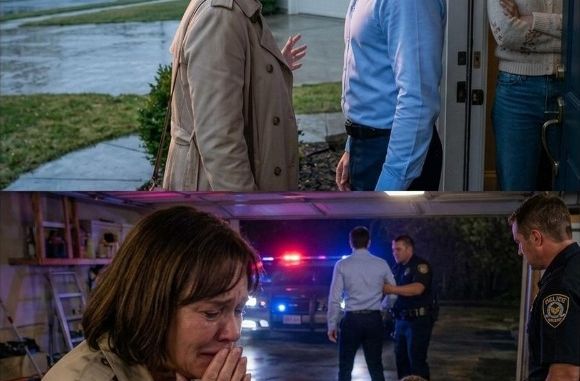
For seven days, my daughter Emily hadn’t returned a single call or message. That silence felt deeply out of character and grew into a steady sense of unease. I drove in the rain to the small home she shared with her husband, Mark, hoping for a simple answer. He greeted me with an easy smile that didn’t feel genuine, saying she had gone away and needed space. His explanation sounded polished, but something about it didn’t sit right. As I turned to leave, I caught a faint noise from the detached garage—a weak, strained voice. It was subtle, but enough to stop me. A mother can tell when something is wrong.
Instead of panicking, I forced myself to stay calm. I walked around the property, taking in the details—the new lock on the garage, the vehicles in the driveway, and signs that someone had been recently active. Among the mail, I noticed a document tied to Emily’s inheritance, something she had once been pressured to surrender but refused. The pieces began to form a troubling pattern. I quietly contacted authorities, requesting discretion, and prepared myself to stay composed. I knew I had to act carefully rather than impulsively.
When I returned to the front door, Mark tried once more to brush me off, but his tone had shifted—tense and uneasy. Not long after, sirens broke through the rain. Everything escalated quickly from there. The garage was opened, and Emily was discovered inside, frightened but alive. Relief and shock came all at once, as the situation that had been hidden in plain sight finally came to light through records, messages, and clear evidence.
In the weeks that followed, the matter was handled through proper investigation, and Emily slowly began to recover. We later spent quiet time together at the lake house she once cherished, letting life settle again at its own pace. The experience left a lasting lesson: strength is often quiet, and clarity matters more than panic. Justice doesn’t always arrive loudly—it comes through patience, awareness, and the willingness to trust your instincts when something feels wrong.
Leave a Reply