Three years ago, my father divided his inheritance in a way that seemed straightforward. My brother Adrian was given a sleek luxury apartment in New York—modern, finished, and ready to enjoy. I received an old farmhouse outside Hudson—weathered, quiet, and largely ignored. At the time, some people questioned the fairness of it, but I saw it differently. The house was a blank slate that needed work, care, and imagination. I decided to invest my time, savings, and everything I had learned into bringing it back to life.
While Adrian embraced city living, I spent my days repairing and rebuilding. I fixed the roof, cleared the land, handled permits, and slowly restored the property piece by piece. Over time, the farmhouse evolved into something entirely new: a peaceful retreat with guest rooms, gardens, and spaces designed for small gatherings. What had once been forgotten gradually became a destination for people seeking calm and authenticity. When my family eventually visited, they were surprised to see how much it had changed—from a neglected house into something shaped by persistence and effort rather than privilege.
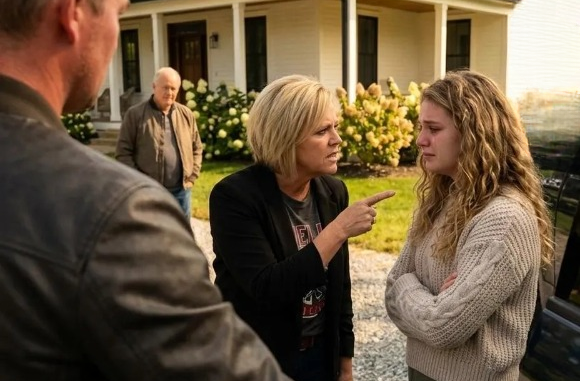
Their response wasn’t what I expected. Instead of acknowledging the work behind it, they reacted with confusion and then suggested, quietly, that the property should be managed differently now that it had value. But everything there existed because of my decisions, my labor, and my investment. I hadn’t just restored a building—I had created something entirely new.
That experience gave me clarity more than anything else. Not everyone recognizes value in the same way, and some only see it once it’s fully formed. I didn’t argue; I simply stood by what I had built. The retreat continued to grow, offering guests a place to stay and creating opportunities for others. In the end, what was once seen as the lesser gift became the foundation of something meaningful—and, more importantly, a place where I no longer needed validation to know my own worth.
Leave a Reply