Events in a narrow waterway thousands of miles away can still hit household budgets hard. With the Strait of Hormuz under severe strain, energy markets have reacted sharply—Brent crude has surged past $100 a barrel, raising concerns about fuel, shipping, and consumer prices worldwide. Since roughly one-fifth of global oil trade passes through this channel, any prolonged disruption quickly becomes more than a regional issue—it directly affects drivers, businesses, and economies already under pressure.
The current standoff has also reshaped how policymakers discuss risk. Headlines about rising pump prices may feel local, but the root cause is global: tanker traffic has been heavily disrupted, alternative export routes are limited, and emergency oil reserves are being tapped to ease the impact. Experts caution that while the disruption may remain largely within energy markets rather than spilling into every sector, it is still significant enough to slow economic growth and keep inflation concerns alive.
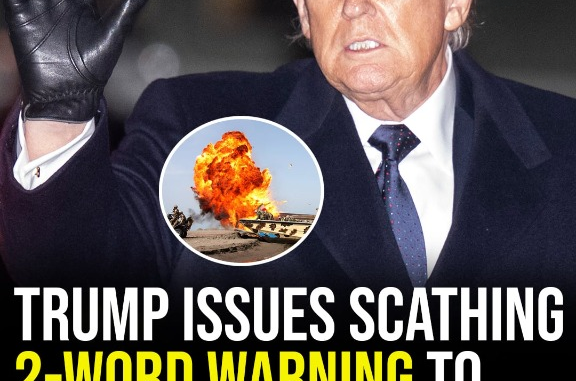
Politically, the crisis is testing international alliances as much as markets. President Donald Trump has publicly urged NATO allies and major Asian buyers, including China, to help reopen the strait, arguing that nations dependent on Gulf energy should share the responsibility for its security. Reports also suggest he has hinted at possible further strikes on Iranian oil infrastructure, signaling that this is no longer a short-term disruption but part of a broader strategic confrontation with consequences far beyond the Gulf.
For most people, the main concern is practical: the ripple effects of instability in a critical energy corridor can reach transportation, food costs, household expenses, and business planning. That’s why the Strait of Hormuz crisis feels so relevant—it’s a reminder that global security issues and daily life are deeply interconnected, and that even distant conflicts can reshape everyday routines faster than expected.
Leave a Reply