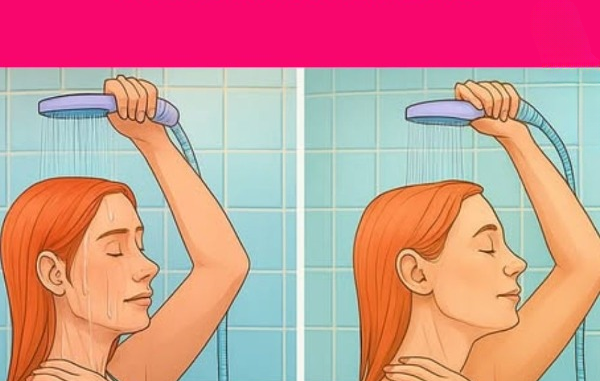
A shower is usually a simple, everyday routine—something that feels refreshing and calming. However, a few unnoticed habits can quietly place extra stress on your heart and circulation. While most people won’t face serious issues, being aware of how temperature, timing, and movement affect your body can help you avoid unnecessary strain on your cardiovascular system.
1. Water That’s Too Hot
Very hot showers may feel relaxing, but extreme heat can cause blood vessels to widen quickly. This sudden change may lower blood pressure and force the heart to work harder to keep circulation stable.
Some people may feel dizzy, weak, or lightheaded as a result. If that happens, the water temperature could be too high. Warm water is a safer choice than scalding heat.
2. Standing Up Too Quickly
Rising too fast from a seated or bent position can cause a sudden drop in blood pressure, often associated with Orthostatic hypotension.
Because warm water already relaxes blood vessels, the effect can be stronger in the shower. Moving slowly and pausing before standing fully can help prevent dizziness.
3. Showering Immediately After Eating
Taking a shower right after a large meal may interfere with normal blood flow. After eating, more blood is directed toward digestion, and hot water can redirect circulation toward the skin. This can make the heart work harder to maintain balance.
Although not dangerous for everyone, it may lead to discomfort or tiredness. Waiting around 20–30 minutes after eating is generally a better option.
4. Very Long Showers
Spending too much time in a hot shower can gradually lower blood pressure and lead to mild dehydration. Prolonged heat exposure may also reduce circulation efficiency, leaving you feeling drained afterward.
Keeping showers to about 10–15 minutes is usually enough for cleanliness without overloading the body.
5. Ignoring Warning Signs
The body often gives early signals when something is off. Dizziness, blurred vision, or a racing heartbeat in the shower may indicate that your circulation is under stress.
If these symptoms happen regularly, it’s important to adjust your habits and consider speaking with a healthcare professional.
Conclusion
A shower should leave you feeling refreshed, not strained. Using moderate water temperatures, moving carefully, timing showers wisely, and paying attention to your body can all support better heart health and circulation.
Small adjustments in daily habits can have a meaningful impact on overall well-being.
Leave a Reply