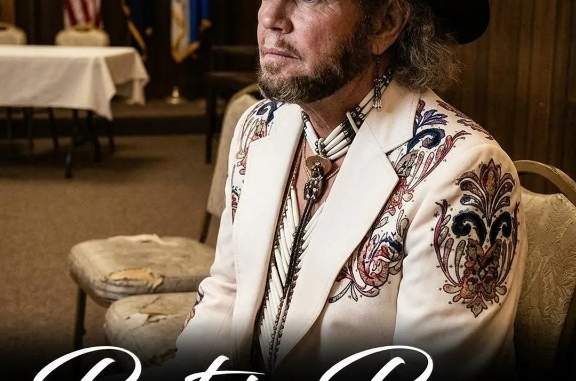
Country music is mourning the loss of one of its most distinctive and unconventional voices. David Allan Coe, a key figure in the outlaw country movement, has died at the age of 86. His passing was confirmed on April 29, although no additional details were immediately released. Known for his gritty storytelling and deep, unmistakable voice, Coe leaves behind a legacy that pushed country music beyond its traditional limits and gave voice to outsiders and nonconformists.
Born on September 6, 1939, in Akron, Ohio, Coe’s early life was shaped by hardship and instability—experiences that later influenced both his music and his public persona. After moving to Nashville in the late 1960s, he struggled to find immediate success. However, he eventually broke through as a songwriter, most notably with Tanya Tucker’s 1973 hit “Would You Lay With Me (In a Field of Stone),” which helped launch his career as a recording artist.
He went on to release a series of albums that reflected his distinctive blend of country, blues, and rock influences. In 1975, he gained wider recognition with “You Never Even Called Me by My Name,” a humorous and self-aware track that became one of his signature songs. Over the years, he also wrote or performed other well-known songs such as “The Ride,” and helped popularize “Take This Job and Shove It,” later made famous by other artists. Even in his later years, Coe continued performing and maintaining a connection with his audience.
While his influence on country music is significant, his career also included controversy. Some of his work drew criticism for its provocative content, sparking debate about artistic boundaries and responsibility. He also faced legal and financial difficulties throughout his life. Despite these challenges, Coe remains an influential and complex figure in American music history, remembered for his originality, impact on the genre, and uncompromising individuality.
Leave a Reply