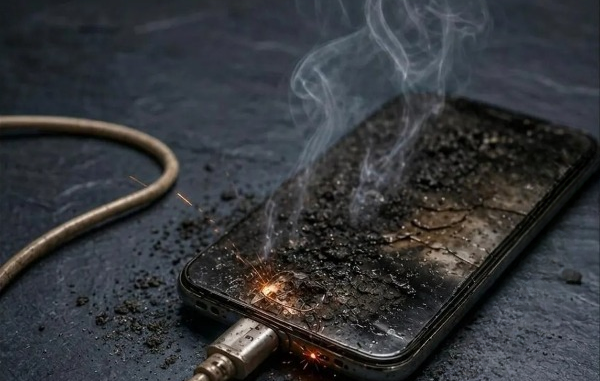
In today’s highly connected world, chargers have become an essential yet often overlooked part of everyday life. We depend on them constantly to power smartphones, laptops, and tablets, helping us stay productive and connected. However, they are frequently used without much consideration. Simple mistakes—such as opting for low-cost alternatives or neglecting basic safety precautions—can introduce avoidable risks. Over time, these habits may lead to overheating, faster device wear, or even potential safety hazards in the home. Learning to use chargers properly is a small but important step toward protecting both your devices and your living space.
One of the most significant risks involves using poor-quality or uncertified chargers. While they may appear budget-friendly and convenient, they often lack essential safety features. Without stable voltage control, they can supply uneven power that gradually harms a device’s battery or internal components. In some cases, they may also overheat during operation. Certified chargers, by contrast, are built with safety systems designed to regulate power effectively. Choosing reliable, tested accessories is not only about better performance—it also ensures greater safety and peace of mind.
The condition of charging cables is another commonly ignored factor. With regular use, cables can become damaged from bending, pulling, or general wear and tear. Signs such as fraying, exposed wiring, or loose connections should be taken seriously. Damaged cables can create risks like short circuits or electrical sparks. Replacing them promptly is a simple, low-cost way to prevent more serious issues. Regular inspection and proper maintenance go a long way in ensuring safe, consistent charging.
Finally, safe charging practices and proper setup are just as important. Charging devices on soft surfaces like beds or sofas can trap heat and limit ventilation, increasing the risk of overheating. Hard, flat surfaces are much safer because they allow heat to dissipate properly. It’s also wise to avoid overloading outlets and to unplug chargers when they’re not in use. When combined with high-quality equipment and responsible habits, these small steps create a safer, more efficient charging environment for both your devices and your home.
Leave a Reply