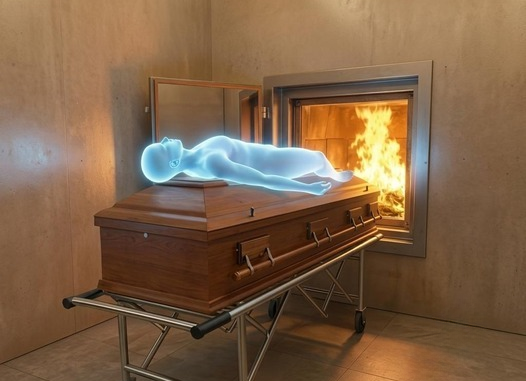
Cremation is becoming a more common practice in many parts of the world, influenced by practical needs, cultural shifts, and personal choice. For some Christians, however, it brings up sincere questions about its spiritual significance and whether it aligns with biblical principles. It’s understandable to turn to Scripture for direction in matters like this, especially when they relate to beliefs about death, life, and eternity. Approaching the topic thoughtfully requires balance, respecting both long-standing traditions and the wider message of faith.
A closer look at the Bible shows that it does not explicitly command or forbid cremation. Instead, it contains various accounts of how people were handled after death. Burial appears most often in Scripture. For instance, Abraham secured a burial site for Sarah, and Joseph requested that his remains be taken and buried in the land of his ancestors. These stories reflect cultural practices of the time and a deep respect for the deceased, rather than setting a universal rule for all believers.
As Christian tradition developed, burial became more closely connected with ideas of rest and resurrection hope. However, the central teachings of Christianity do not rely on a specific form of burial. Many believers and theologians emphasize that resurrection is based on God’s power rather than the physical condition of the body. Whether someone is buried or cremated, faith in life after death remains unchanged. This perspective can bring reassurance to those who choose cremation for personal, financial, or environmental reasons.
In the end, what matters most is honoring the life of the person who has died and trusting in God’s enduring care. Choices about burial or cremation can be made with dignity and reflection, without conflict with one’s beliefs. The focus remains on remembrance, love for those left behind, and hope in eternal life. Approaching the subject with respect and understanding allows people to find peace while remaining grounded in their faith.
Leave a Reply