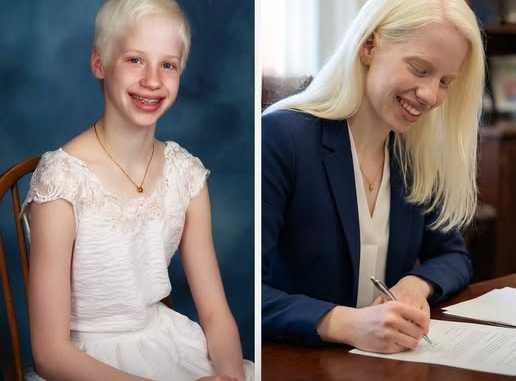
Some memories stay clear no matter how many years pass. One of mine comes from high school, when a classmate once made me the center of a humiliating prank in front of others. At the time, it might have seemed like a minor incident to everyone else, but it left a lasting mark on me. Rather than letting it shape me negatively, I used the experience as motivation to push myself and build a life where I could feel confident and secure. Over the years, my career took me into finance, and eventually I became the owner of a regional community bank. That chapter of my life felt far removed from the classroom and the difficult feelings connected to it—until one day a loan application landed on my desk with a name I recognized immediately: the same person who had embarrassed me years earlier.
The request was for a $50,000 loan. From a financial standpoint, the application raised concerns. The borrower’s credit history wasn’t strong, and approving the loan would normally require serious caution. But as I continued reading, I discovered the reason for the request: he needed financial help for urgent medical treatment for his young daughter. When he came into my office, he was nothing like the confident teenager I remembered. Life had clearly taken its toll. He quickly admitted he recognized me and sincerely apologized for the way he had treated me in the past. He explained that his daughter’s health condition had left him desperate for support, and he hoped I might be willing to give him an opportunity.
After reflecting on the situation, I realized this moment could turn a painful memory into something positive. Instead of rejecting the loan outright or approving it without thought, I offered him another option. If he truly wanted a second chance, he could help others learn from what had happened years ago. I asked him to return to our old high school and speak at an anti-bullying event, sharing his story honestly with students. The purpose wasn’t revenge or embarrassment—it was accountability. By openly discussing his past behavior, he could show young people how deeply actions can affect others and how real growth begins with acknowledging mistakes.
The next day, he followed through on his promise. Standing in front of students, teachers, and parents, he spoke openly about what he had done and how much he regretted it. His honesty left a strong impression on everyone in the room and served as a powerful reminder of the importance of kindness and respect. Afterward, I kept my word and approved the loan so his daughter could receive the medical care she needed. While the past couldn’t be changed, that moment transformed an old wound into something meaningful—a reminder that people can grow, and that sometimes the most powerful response to past hurt is choosing understanding, compassion, and progress.
Leave a Reply