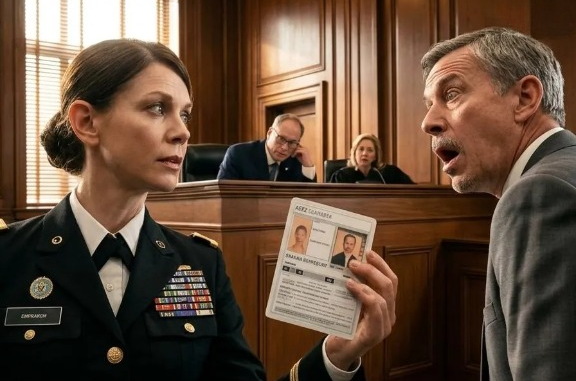
The courtroom grew unusually silent as the judge examined my identification and service record. What had started as a standard property dispute quickly took on a different tone. He asked a specific question about my past military assignment, and when I confirmed it, his expression shifted—subtle, but telling. It was the kind of recognition that changes the direction of a case. My parents and their attorney shifted uncomfortably as the judge requested additional files from my record. Instead of arguments or assumptions, what followed was documentation—organized, precise evidence that outlined a clear history.
At the heart of the dispute was the family farm, a place defined less by ownership and more by years of steady care. My grandfather had always valued responsibility over appearances. While others spoke about growth or future gain, he focused on the daily work needed to sustain what already existed. I had remained closely involved over the years—handling repairs, managing finances from a distance, and following his guidance. To him, commitment was proven through consistency, not words.
After his passing, I found documents he had carefully prepared. They established a trust that placed the farm under strict protections, requiring my approval for any major decisions. Alongside them was a handwritten note reminding me to rely on facts rather than emotion. In court, those materials became central. They confirmed the farm had been managed responsibly and revealed attempts to bypass its legal safeguards. Additional financial records raised further concerns, turning what began as a family disagreement into a matter of accountability supported by evidence.
By the end of the hearing, the outcome was decisive. The claims against me were withdrawn, and the court upheld the protections in place for the property. In the days that followed, I returned to the farm and resumed direct responsibility for its care. Standing on the familiar porch, I thought back to what my grandfather had taught me. A small brass compass he once gave me rested in my hand—a quiet reminder of direction and purpose. The land remained steady, unchanged, reinforcing a simple truth: real ownership is not about entitlement, but about responsibility, presence, and protecting what has been entrusted to you.
Leave a Reply