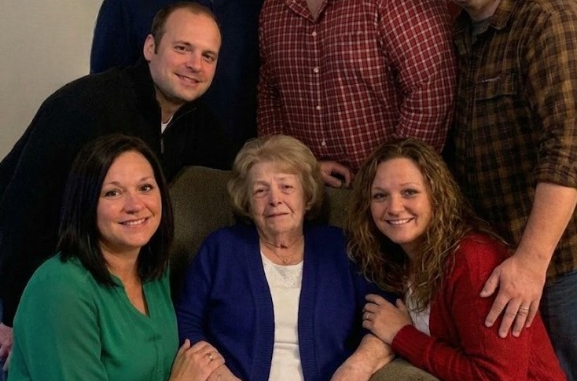
After I told my six children that my health was failing, they all rushed back home, suddenly acting like the close family I had long missed. But one night, I overheard them arguing over how they would split my house after I died—so the next morning, I invited them all to dinner, because I had a lesson for them they would never forget.
I raised all six of my children alone after their father passed away far too young.
Daniel was twelve when we buried him. Carol was ten. Michael eight. Lisa six. Thomas four. And Ben was still small enough to fall asleep curled in my lap.
I worked exhausting double shifts, skipped holidays, and gave up anything I could so they would never feel the absence of their father in a material way. Life was hard, but our home was full.
Then they grew up.
At first, they still came often. They called regularly, showed up for holidays, and filled the house like they used to. But over time, visits became rare, calls shorter, excuses more frequent. I told myself it was natural—that I had done my job well by raising independent children.
But the house grew quieter with each passing year.
Then one day I realized I couldn’t remember the last time all six of them had been under the same roof.
That realization broke something in me.
So I did something I’m not proud of.
I told them my health was declining and I didn’t know how much time I had left.
It was a lie born out of loneliness.
But it worked.
They came immediately.
For two days, my home felt alive again. They cooked, fixed things, hugged me, and asked if I needed anything. For a brief moment, it felt like I had my family back.
Then, on the third night, I woke thirsty and went downstairs for water.
That’s when I heard them.
Daniel was speaking first. “The house should be divided equally.”
Lisa scoffed. “Mom already promised me her savings.”
Carol added, “She won’t remember much soon. We can get her to sign.”
Michael said, “We need to settle this before it becomes complicated.”
I stood frozen in the dark, listening to my children talk about my home, my belongings, and my future as if I were already gone.
Even Ben, the gentlest of them, only said they shouldn’t be having that conversation—yet he stayed.
I didn’t confront them.
I simply went back to bed, stared at the ceiling until morning, and made a decision.
The next day, I asked my lawyer, Mr. Bennett, to call a family meeting.
That morning, Daniel burst into my room holding his phone.
“Mom, what is this?” he demanded.
It was the email confirming a formal estate meeting for that evening.
I calmly told him, “I invited you all to dinner.”
His face changed instantly. “You changed your will?”
“I made some decisions.”
By evening, the atmosphere in the house had turned cold and uneasy. No one spoke freely. No one smiled.
At six o’clock, we sat together at the dining table—just like we used to when they were children. I had cooked pot roast, rolls, and sweet potato casserole. The same meals I once made when their laughter filled the room.
No one touched their plates.
Finally, Daniel asked, “What is this about?”
I told them plainly: I had overheard their conversation.
Carol immediately defended herself. “You shouldn’t have been listening.”
“I was in my own kitchen,” I replied.
And I told them I had heard everything.
The truth settled heavily over the table.
Daniel tried to justify it. “We were just being practical.”
“Families who love each other,” I said quietly, “wait until someone is gone.”
Ben admitted he had tried to stop them—but he had still stayed.
Then my lawyer spoke and revealed my updated estate plan: everything would go into trusts for my grandchildren.
The disappointment was immediate.
And then came the question I already expected.
“What about the house?”
Not concern. Not love.
Just ownership.
That was when I told them the truth.
I was selling it.
The reaction was instant outrage.
“Our family home?” Carol said.
“No,” I corrected gently. “My home.”
I explained that I would not spend my remaining years waiting in a house that only mattered to them when it came with inheritance.
I told them I was moving into a senior community—somewhere with life, conversation, and company.
Lisa cried. Daniel argued. Michael fell silent. Ben looked ashamed.
And one by one, I asked them the hard questions.
When did they last visit without needing something? When did they last call just to talk? When did I stop being a mother and start being a responsibility?
No one had answers.
Then I reminded them what I had given: years of sacrifice, endless work, and a lifetime of putting them first.
I wasn’t angry.
I was done waiting.
Finally, I told them the truth I had realized that night:
This house had already been their inheritance—in every birthday, every Christmas, every sacrifice I made so they could have more.
It did not owe them anything else.
One by one, their voices softened into apologies.
And for the first time in years, I felt something different as they left the table.
Not loneliness.
But peace.
Because I was no longer waiting for my children to come back to me.
I was finally choosing myself.
Leave a Reply