I was delivering a pizza to an elderly woman when I stepped into her cold, dim house and realized something was seriously wrong. So I made a choice I thought was right in the moment—never expecting that, minutes later, she would look at me and say, “This is your fault.”
The March night was bitterly cold, and something about the delivery already felt off. The house was dark, the yard overgrown, and I stood on the steps double-checking the address. The note simply said: “Please knock loud.”
I knocked, uneasy, and a voice from inside told me to come in. Against my better judgment, I entered. The air inside was even colder than outside.
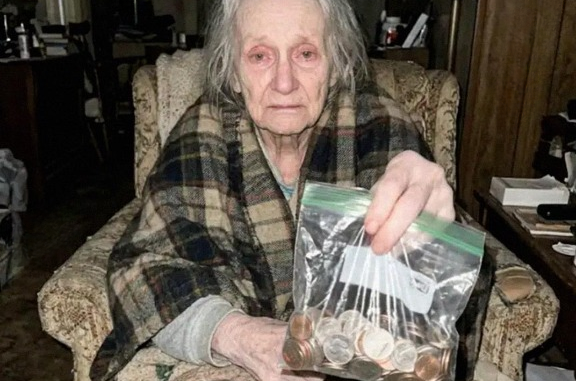
In the living room, an elderly woman sat bundled in blankets under the glow of a candle. She immediately fixed her eyes on the pizza.
When I asked if she was okay, she insisted she was fine and explained she kept the heat low because of medication costs. Then she slid a plastic bag toward me—filled with coins she had carefully saved—to pay for the pizza.
That’s when I noticed the nearly empty fridge and realized this wasn’t just a delivery. It was her lifeline.
I tried to refuse the money and told her not to worry about it. Then, without really thinking, I told her I owned the shop so she wouldn’t feel embarrassed or afraid. She seemed relieved and thanked me.
I left her with the pizza, but I couldn’t shake what I’d seen. Sitting in my car, I decided I couldn’t just walk away. I called the police and requested a welfare check.
Soon after, I saw emergency lights outside her home. Paramedics were helping her out while neighbors gathered, and she suddenly pointed at me, saying I had caused all of this.
I told her I was only trying to help, but she was frightened and upset. The paramedics explained she was at risk and needed evaluation, and she was taken to the hospital despite her protests.
Her neighbors turned on me afterward, insisting I had gone too far. I left feeling shaken and unsure whether I had done the right thing at all.
But days later, I was called back to her house. This time, everything had changed. The home was warm, people were inside caring for her, and the same neighbors who once blamed me were now helping her regularly.
She was back home, stronger, and when she saw me, her tone softened. She apologized and admitted that, although she hadn’t wanted help, she needed it. The neighbors also admitted they should have acted sooner.
In the end, what I learned stayed with me: doing the right thing doesn’t always feel right in the moment—but sometimes it’s exactly what prevents something worse.
Leave a Reply