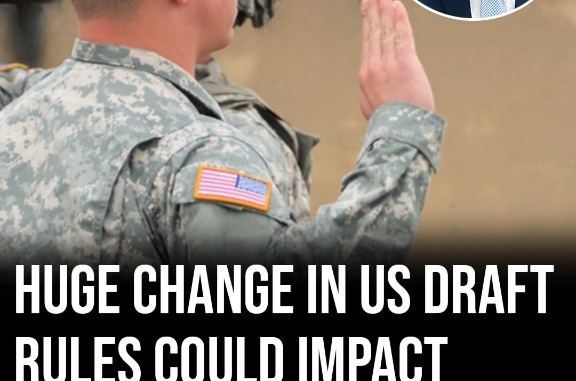
A subtle policy shift with huge implications: millions of young men could be automatically enrolled in draft registration—no forms to sign, no awareness required. Officials describe it as “streamlining,” but critics see something more concerning, especially amid rising global tensions and declining public trust. This isn’t just administrative—it feels like a warning.
Automatic draft registration represents a major shift in how the U.S. handles the balance between national security, personal responsibility, and individual choice. In the past, young men had to actively register, acknowledging the legal significance of that step. Now, the government would handle it quietly, using data from systems tied to everyday activities like driving, education, or employment.
Supporters argue the change is purely about efficiency—improving compliance, reducing costs, and ensuring preparedness in case of a crisis. But the message it sends is significant. In a time marked by global uncertainty and political division, expanding this system signals a stronger government role in emergency readiness. Even if a draft isn’t on the horizon, automatic registration suggests that, should a crisis arise, every eligible individual will already be accounted for—whether they chose to be or not.
Leave a Reply