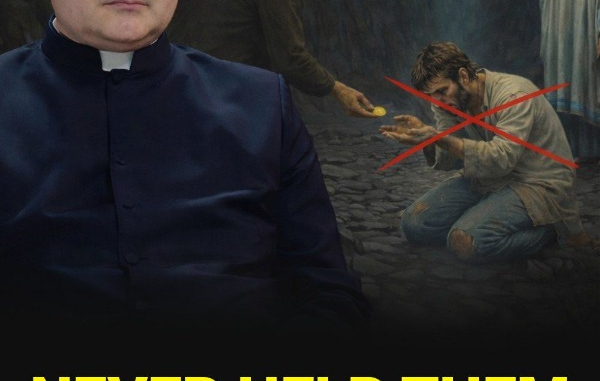
Helping others has always been central to the Christian life. Many of us, especially as we grow older, feel a strong pull to support, guide, or step in for those in need. Over the years, you may have been the one everyone relied on—family, friends, church members, neighbors—and saying yes often felt like the faithful, right choice.
Yet Scripture reminds us of a quieter, wiser truth: not every request for help needs a response. Not every act of assistance brings healing. And not every “good intention” aligns with God’s will.
The Bible teaches that love is generous and discerning. True faith is not driven by guilt, pressure, or impulse; it is guided by wisdom, responsibility, and clear boundaries. In some cases, stepping back is not a lack of compassion—it’s an act of obedience and spiritual maturity.
Here are eight situations where the Bible encourages thoughtful reflection before offering help. These are not reasons to harden your heart; they are reminders that genuine love seeks what is right, not just what feels kind in the moment.
Helping Is Not the Same as Saving
Scripture makes clear: we are not meant to rescue everyone. Trying to fix, carry, or solve problems that belong to God alone can unintentionally cause harm—to others and to ourselves. Helping without discernment can support unhealthy patterns, delay growth, or distract us from our own spiritual well-being. Wisdom calls for prayerful observation before acting.
1. People Who Know the Truth but Reject It
Some understand right from wrong yet deliberately choose the wrong path. They may mock faith, ignore guidance, or repeat harmful behaviors. Constant intervention often leads to frustration. Scripture teaches that truth cannot be forced. Walking away can be an act of respect and obedience, not abandonment.
2. People Who Use Help to Avoid Change
Not everyone seeking help is ready to grow. Some rely on support to escape the consequences of their actions. The Bible links mercy and forgiveness with transformation. Help that enables stagnation delays the moment someone confronts the need to change. Sometimes, stepping back allows reality to teach more effectively than advice.
3. Those Who Avoid Responsibility
Scripture distinguishes between inability and unwillingness. Supporting someone who consistently shirks responsibility fosters dependence rather than growth. Excuses and repeated crises can mask irresponsibility, turning help into entitlement. True love encourages accountability and maturity.
4. People Who Constantly Cause Conflict
Some individuals create tension wherever they go. Relationships strain, communities fracture, and support rarely changes the pattern. Scripture values peace. Stepping back can protect your emotional and spiritual well-being and prevent enabling harmful behavior.
5. People Who Reject Correction
Correction given in love is meant to guide and restore, yet some refuse it outright. When advice is consistently ignored, help becomes ineffective. Sometimes silence and withdrawal convey truth more clearly than words.
6. Those Who Manipulate Compassion
Some exploit empathy, using guilt, fear, or urgency to pressure others into helping. True giving comes freely, not under coercion. Protecting your heart ensures that your generosity remains sincere and effective.
7. People Who Reject Boundaries
Healthy help requires limits, structure, and shared responsibility. Those who react with anger or manipulation when boundaries are set may seek control rather than support. Scripture does not call believers to be trapped by others’ demands; loving wisely sometimes means saying no.
8. People Who Expect Others to Live Their Lives
Supporting someone does not mean taking over their life. Growth comes through effort, mistakes, and learning. Excessive help can block personal development. Walking alongside someone should encourage strength, not dependence.
Practical Guidance for Discerned Helping
As we age, discernment deepens. Saying no can sometimes be the most loving choice. Before helping, reflect, observe patterns, and pray. Consider whether your assistance encourages growth or maintains the status quo.
Help is not always financial or hands-on. Sometimes it’s giving space, setting boundaries, or trusting God to act. Protect truth over false peace. Pray for those you choose not to assist. Withdrawal does not equal indifference—it entrusts the situation to God.
A Quiet but Powerful Truth
The Bible does not discourage kindness—it teaches wisdom in kindness. True love is patient, thoughtful, and grounded in truth. Helping is not always stepping in; sometimes it is stepping back. Learning when not to help is one of the deepest expressions of faith.
Leave a Reply