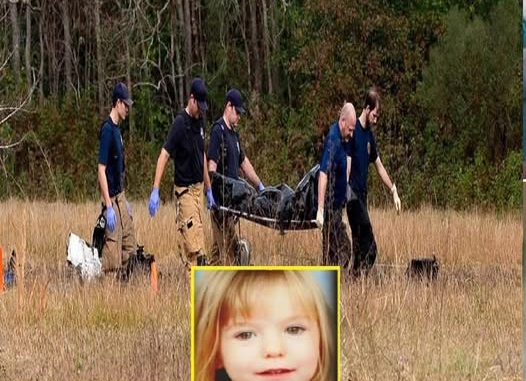
Perla only intended to be gone for a few minutes.
That’s how these stories always start—small, ordinary choices that seem too harmless to matter. A quick walk. A familiar path. A place she’d been countless times before. An errand no one gives a second thought.
She told her mother she’d be back soon. Then stepped outside.
No one knew that step would be the last ordinary moment they’d remember.
At first, nothing felt wrong. Ten minutes passed. Then twenty. Her mother glanced at the clock, slightly distracted but not alarmed. Maybe Perla ran into a friend. Maybe the store line was longer than usual.
But as thirty minutes stretched into an hour, unease settled in.
The house felt different. Too quiet.
Her mother went outside, scanning the street for her daughter’s familiar figure. Nothing. Only the usual neighborhood sounds—distant voices, passing cars, a barking dog.
She called Perla’s name once. Then louder. Still nothing.
Panic crept in, slow but relentless.
The first phone calls were simple. Friends. Neighbors. No one had seen her. The store clerk said she never arrived.
By sunset, normalcy had slipped away.
The street transformed into a search zone. People who barely knew each other joined forces, calling her name through backyards and alleys. Flashlights pierced the growing shadows. Every noise startled, every movement caused hearts to jump.
Someone called the police. Patrol cars arrived, their red-and-blue lights slicing through the night, signaling urgency. Officers questioned neighbors, retraced Perla’s steps, and reviewed footage, desperate for answers.
What was she wearing? What time had she left? Did anyone notice anything unusual?
Fragments of information came back—half-remembered sightings, guesses, assumptions. Nothing concrete.
Her mother clutched Perla’s sweater to her face, inhaling the faint scent of shampoo and sugar, hoping it might bring her daughter back. It didn’t.
Night stretched on, heavy and relentless. Calls for Perla grew hoarse, then quiet, then desperate. The search slowed, more methodical, as fear replaced hope.
Rumors began before facts could take hold. A car spotted. A stranger seen. Every detail twisted and magnified. In the void of certainty, fear spread.
By morning, the neighborhood had changed. Familiar streets felt unsafe. Locked doors and drawn curtains became the norm. Conversations lowered to whispers.
Posters appeared overnight—Perla’s bright, smiling face pasted on poles, shop windows, fences. Her name in bold, a number to call. She was everywhere, and yet nowhere.
Days passed. Detectives followed leads that led nowhere. Footage was reviewed repeatedly. Interviews dragged on. Timelines were rebuilt and questioned. Still nothing.
Life shifted. Parents escorted children everywhere. Porch lights burned all night. Laughter sounded cautious, tentative.
The posters weathered, fading at the edges, but no one removed them. Taking them down would be accepting a reality no one was ready to face.
Her mother never stopped searching, retracing streets, calling her daughter’s name even when no one else was listening. Strangers offered comfort, promises, hope—but hope had become stubborn and painful, hanging on because letting go was impossible.
Time moved forward, but the neighborhood never returned to what it was. Something invisible had changed. A kind of innocence had vanished, replaced with weight and awareness.
Perla became more than a missing child. She became the moment everything shifted. One life lost, yet an entire community reminded of how fragile “normal” really is.
All from a simple sentence:
“I’ll be right back.”
She never came back.
Leave a Reply