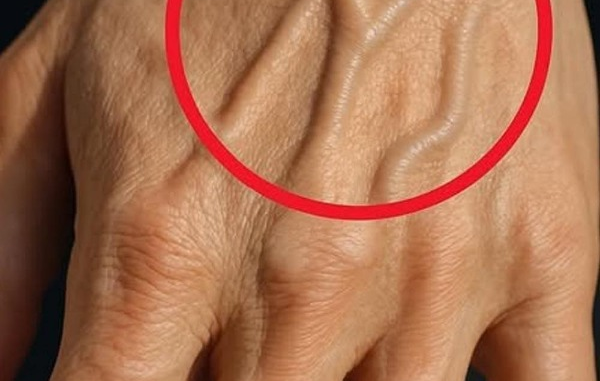
If you’ve ever glanced at your hands and noticed a sudden network of blue, raised veins, you’re not alone. More and more people are becoming concerned, wondering if these visible veins are a hidden warning sign of deeper health problems. With the rise of viral health tips and quick online diagnoses, a common myth has spread claiming that prominent veins signal issues with the body’s “filtration system”—especially the kidneys. But before jumping to conclusions, it’s important to separate medical reality from online speculation.
In most cases, visible veins in the hands are completely normal. They’re not a sign of illness, but rather a result of factors like genetics, lifestyle, and aging. As we get older, our skin naturally becomes thinner and loses collagen, making the veins underneath more noticeable. People with lower body fat may also see more defined veins since there’s less tissue covering them.
Activity and environment can also make veins appear more prominent. Exercise increases blood flow, causing veins to expand temporarily. Heat—from workouts, warm weather, or hot showers—can dilate blood vessels, making them more visible. Even mild dehydration can play a role, as reduced fluid levels in the body can make veins stand out more.
As for the idea that visible veins indicate kidney or liver problems, medical evidence doesn’t support it. In fact, if the body’s filtration system is impaired, the opposite effect usually occurs. Conditions like fluid retention (edema) cause swelling in the hands and feet, which can actually hide veins rather than highlight them.
So what signs should you pay attention to instead? Doctors point to more consistent, whole-body symptoms. These include ongoing swelling in areas like the ankles or face, persistent fatigue, noticeable changes in urination (such as foaminess or frequency), high blood pressure, and unexplained nausea. These are far more reliable indicators of potential internal issues.
Ultimately, your hands reflect your age, activity level, and natural body composition—not the state of your internal organs. While certain medical procedures can intentionally create more visible veins, these are controlled interventions, not spontaneous warning signs.
If you’re worried about your health, the best approach isn’t visual inspection—it’s proper medical testing. Blood work and professional evaluations provide real insight into what’s happening inside your body. So the next time you notice those veins, remember: they’re usually harmless and often just a sign of normal, everyday factors like aging, activity, or hydration.
Leave a Reply