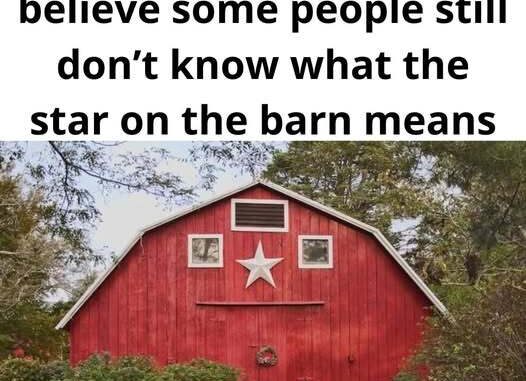
Long before barn stars became popular decorative pieces on porches and in stores, they carried deeper meaning in rural communities influenced by Pennsylvania Dutch culture. For farmers, these stars weren’t just decoration—they symbolized protection, good fortune, and daily life on the land. Their shapes, colors, and placement often reflected wishes for successful harvests, healthy animals, and protection from the elements. In this way, a simple star told a larger story, blending belief, function, and regional identity into a recognizable design.
To fully appreciate their lasting charm, it helps to view barn stars as part of a wider folk-art tradition. Many designs drew inspiration from geometric patterns seen in quilt blocks and hand-painted signs, giving them both visual appeal and cultural depth. Whether placed on barns, homes, or other buildings, they added intention and personality to practical spaces. They became subtle expressions of pride—showing that even the most utilitarian places could carry beauty and meaning.
Over time, the original symbolism behind barn stars became less prominent, but the designs themselves remained. As rural life evolved, these stars transitioned from meaningful farm markers into cherished decorative elements. What once represented protection and hope gradually became a connection to the past, passed down through generations and valued for both its history and its charm. This shift allowed barn stars to move from traditional barns into modern homes while retaining their emotional significance.
Today, barn stars continue to add warmth and character wherever they’re displayed—on porches, in gardens, or on home exteriors. Their enduring popularity goes beyond style, reflecting a lasting appreciation for tradition, craftsmanship, and rural heritage. Even in contemporary settings, they remain a simple yet meaningful way to celebrate the past while creating a space that feels welcoming and full of personality.
Leave a Reply