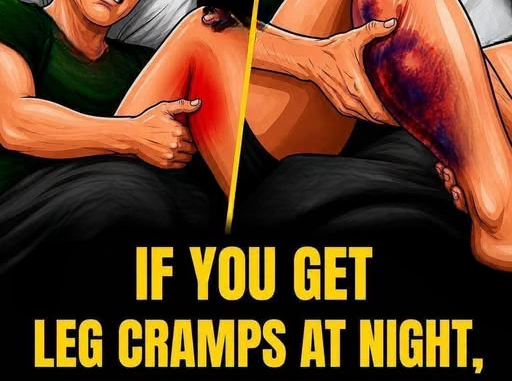
Understanding Sudden, Painful Muscle Cramps
Muscle cramps are sudden, involuntary muscle contractions that can be surprisingly painful. Although they are usually temporary and not dangerous, the intense tightening can make movement difficult until the muscle relaxes.
Some cramps last only a few seconds, while others may continue for several minutes. In some cases, soreness or discomfort can remain even after the muscle has stopped contracting.
The calves are among the most common areas affected, although cramps can also occur in the feet and, less often, the thighs.
There are many potential triggers, including hydration, electrolyte balance, exercise, posture, medications, and certain health conditions.
1. Dehydration
Not getting enough fluids may contribute to muscle cramps, including nighttime leg cramps. Dehydration can also affect the body’s electrolyte balance, which is important for normal muscle contraction and relaxation.
Drinking enough fluids throughout the day may help when dehydration is contributing to the problem, particularly after exercise or activities that cause significant fluid loss.
2. Mineral Imbalances
Low levels of minerals such as magnesium, potassium, or calcium may play a role in muscle cramping.
These nutrients are involved in normal muscle and nerve function. When their levels are too low, muscles may become more prone to spasms or uncomfortable contractions.
Hydration and electrolyte balance are closely connected, so several factors may sometimes contribute to cramps at the same time.
3. Overexertion
Exercise is beneficial, but pushing muscles beyond what they’re accustomed to can lead to fatigue and cramping.
This may happen during strenuous workouts or after suddenly increasing the intensity or duration of physical activity.
Giving muscles adequate recovery time and gradually increasing exercise levels can help reduce excessive strain.
4. Too Little Movement
Being inactive for long periods can also contribute to muscle tightness and discomfort.
People who spend most of the day sitting may not move or stretch their legs frequently enough. Staying in one position for hours can leave muscles stiff.
Getting up regularly, changing positions, and performing gentle stretches can help keep muscles moving.
5. Poor Sitting or Standing Posture
The way you sit or stand can place extra stress on certain muscle groups.
Remaining in an awkward position for an extended period may cause muscles to become tense and potentially contribute to cramping.
Changing positions regularly and maintaining comfortable posture can reduce unnecessary muscular strain.
6. Nerve Compression
Sometimes, cramps may be connected to nerve problems rather than the muscles themselves.
Conditions such as sciatica or a herniated disc can irritate or compress nerves that travel into the legs, potentially causing pain, spasms, or cramping.
Recurring symptoms should not automatically be blamed on ordinary muscle fatigue, particularly when other nerve-related symptoms are present.
7. Pregnancy
Muscle cramps can occur during pregnancy, particularly in the legs.
Pregnancy brings numerous hormonal and physical changes, and increased pressure on blood vessels may also contribute to uncomfortable contractions.
For pregnant women experiencing frequent or severe cramps, discussing symptoms with a healthcare professional can help determine whether anything else needs attention.
8. Certain Medications
Some medications can cause muscle cramps or spasms as a possible side effect. Examples include diuretics, statins, and certain antipsychotic medications.
Not everyone who takes these medications will experience cramps, but medication can be worth considering if symptoms begin after starting a new treatment or become noticeably worse.
Never stop or change a prescribed medication without first discussing it with a healthcare professional.
9. Alcohol
Alcohol can contribute to dehydration and changes in fluid and electrolyte levels, which may increase the likelihood of muscle discomfort in some people.
Because muscles rely on proper hydration and mineral balance, these disruptions may contribute to cramping.
10. Underlying Health Conditions
Certain medical conditions can also be associated with recurring muscle cramps. These include diabetes, kidney disease, thyroid disorders, and peripheral artery disease.
In such cases, the cramps may be related to broader changes within the body rather than simply exercise or dehydration.
Paying attention to when cramps occur, how often they happen, where they occur, and what was happening beforehand can provide useful information.
How to Relieve a Muscle Cramp
When a cramp strikes, several simple measures may help ease the discomfort:
- Gently stretch the affected muscle.
- Massage the area to encourage relaxation.
- Move carefully once you are able to do so.
- Apply gentle heat, such as a warm towel or heating pad, to help relax a tense muscle.
- Some people use pickle juice during sudden cramps, although evidence for various home remedies differs.
- Pain relievers such as ibuprofen or naproxen may help with lingering soreness for some people, provided they are safe for you to take and used according to the label or medical advice.
How to Help Prevent Future Cramps
Prevention depends largely on what is triggering the cramps.
Staying adequately hydrated may help when fluid loss is a factor. Regular movement and stretching can be useful for people who spend long periods sitting.
If cramps occur after strenuous exercise, reducing excessive exertion and allowing enough recovery time may help.
Maintaining comfortable posture and taking regular movement breaks can also reduce prolonged muscle tension.
When Frequent Cramps Should Be Checked
An occasional cramp can happen after exercise, dehydration, or prolonged inactivity. However, frequent, persistent, unusually severe, or unexplained cramps deserve more attention.
Medication side effects, nerve problems, and underlying conditions can all contribute to recurring symptoms. If cramps keep returning or are accompanied by other concerning symptoms, a healthcare professional can help determine the underlying cause.
A Common Problem With Many Possible Causes
Muscle cramps can happen during exercise, after prolonged inactivity, at night, during pregnancy, or alongside certain health conditions.
The trigger may be something relatively simple, such as dehydration or muscle fatigue, but it can also involve medications, electrolyte problems, nerve compression, posture, or an underlying medical condition.
Gentle stretching, massage, movement, and heat may provide short-term relief. Staying hydrated, avoiding excessive physical strain, and maintaining regular movement may help reduce some common triggers.
If cramps become frequent or difficult to explain, keeping track of when they occur, where they happen, how long they last, and what may have triggered them can make it easier to identify patterns and discuss them with a healthcare professional.
Leave a Reply