A well-known Dutch psychiatrist has come under heavy public scrutiny after details emerged about his role in helping patients with severe psychiatric conditions—including teenagers—end their lives through euthanasia.
Dr. Menno Oosterhoff, a specialist in child and adolescent psychiatry, has assisted a number of patients seeking medically assisted death. According to The Atlantic, although the practice is permitted under strict legal conditions in the Netherlands, his involvement has reignited a heated ethical debate across Europe over euthanasia for people suffering from mental illness.
The Netherlands legalized euthanasia in 2002, allowing physicians to approve requests only when they are voluntary, carefully considered, and made by patients experiencing unbearable suffering with no realistic chance of recovery or effective treatment.
Unlike many physicians who primarily work with terminally ill patients, Dr. Oosterhoff has focused largely on individuals whose suffering stems from severe psychiatric disorders rather than physical disease. He has argued that providing a regulated legal option may prevent violent or unassisted suicides while reducing prolonged emotional suffering.
His approach has sharply divided public opinion. Supporters believe he offers compassion to people facing hopeless circumstances, while opponents question whether patients with mental illnesses—particularly young people—can truly make such irreversible decisions.
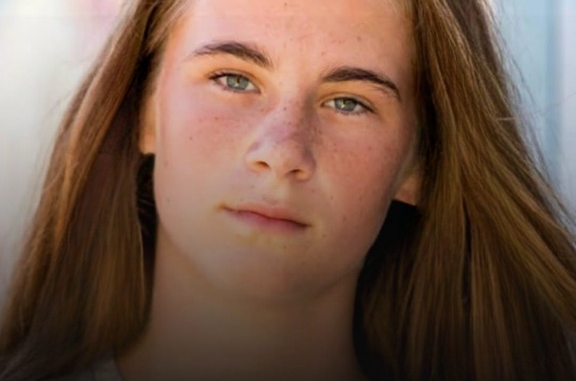
The controversy intensified after Dutch public broadcaster NPO aired the documentary “Milou’s Battle Continues,” which followed the story of 17-year-old Milou Verhoof and her decision to seek euthanasia through Dr. Oosterhoff.
Milou had endured years of emotional trauma. At 13, she survived a sexual assault, and later her brother became critically ill, adding further emotional strain. Despite undergoing treatment and surviving several suicide attempts, she reportedly continued to experience unbearable psychological suffering after years of unsuccessful interventions from multiple healthcare providers.
Eventually, she met with Dr. Oosterhoff.
On October 2, 2023, surrounded by her family in the bedroom where she had grown up, Milou underwent euthanasia.
According to The Manchester Evening News, moments before administering the medication, Dr. Oosterhoff told her, “Girl, have a good trip.”
Later, during her funeral, he reflected on her life by saying, “You’ve been through so much,” acknowledging the years of pain she had experienced.
Milou’s mother, Mireille Verhoof, publicly defended both the decision and the doctor’s role. In an email, she explained that his cautious and thorough evaluation gave the family confidence that euthanasia was the only remaining option after witnessing their daughter’s suffering for years.
She wrote that Dr. Oosterhoff’s careful assessment confirmed what they had long believed—that Milou’s daily life had become unbearable and that she no longer saw a way forward.
The case has drawn attention to a growing trend in the Netherlands. Although most euthanasia procedures continue to involve patients with terminal physical illnesses, the number approved for psychiatric conditions has increased significantly—from 88 cases in 2020 to 219 in 2024, out of nearly 10,000 total euthanasia cases that year.
The debate has extended beyond the Netherlands and into other European countries.
In Spain, another widely discussed case involved 25-year-old Noelia Castillo Ramos.
She became quadriplegic after reportedly jumping from a building following a gang rape in 2024.
Before her scheduled euthanasia, she gave a televised interview in which she said, “I have four days left because on the 26 they will perform euthanasia on me,” bringing national attention to the legal battle surrounding her request.
Her father challenged the decision in court, arguing that she had been living with a personality disorder and was already receiving treatment through the public mental health system before the assault.
Castillo Ramos said the legal challenge from her own family added to her emotional suffering, explaining that none of her relatives supported her decision.
Defending her right to choose, she asked, “None of my family is in favour of euthanasia. I am a pillar of the family. I leave them suffering. But what about my suffering?”
She also argued that the happiness of parents or siblings should not outweigh the wishes and suffering of the individual whose life was at stake.
After the legal proceedings concluded, her request for euthanasia was ultimately carried out, adding another high-profile case to the ongoing European debate over medically assisted dying for people facing profound physical and psychological suffering.
Leave a Reply